The Silver King of the Waters: A Deep Dive into the Barramundi
By. Fajar - 05 Feb 2026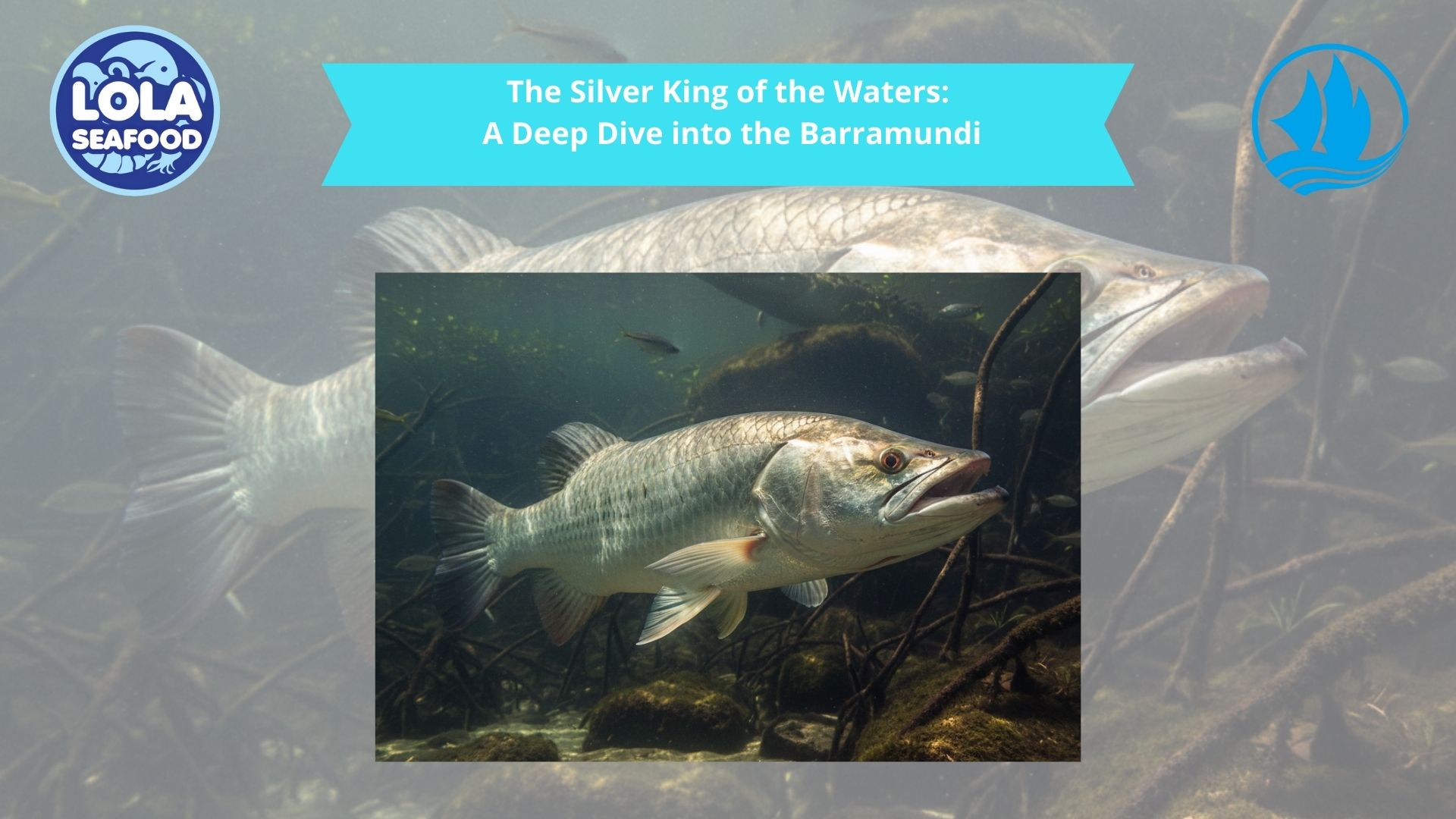
The Silver King of the Waters: A Deep Dive into the Barramundi
In the world of recreational fishing and culinary excellence, few species command as much respect and admiration as the Barramundi (Lates calcarifer). Known as the "Silver King," this iconic fish is more than just a prize for anglers; it is a biological marvel, a cornerstone of Southeast Asian and Australian ecosystems, and a global superstar in the sustainable aquaculture industry.
1.A Name with Meaning
The word "Barramundi" is derived from an Australian Aboriginal language in the Rockhampton area, meaning "large-scaled river fish." While it is found across the Indo-West Pacific—from the waters of India and Southeast Asia to Northern Australia—it has become a symbol of the rugged, pristine waterways of the Australian Outback. In other parts of the world, you might hear it called the Asian Sea Bass, but for enthusiasts, nothing beats the rhythmic sound of its original name.
2. The Biological Shape-Shifter
Perhaps the most fascinating aspect of the Barramundi is its life cycle. They are catadromous fish, meaning they spend most of their lives in freshwater rivers but migrate to saltwater estuaries to spawn.
Even more incredible is their status as protandrous hermaphrodites. Most Barramundi start their lives as males, reaching maturity around age three or four. However, as they grow larger and move into their fifth or sixth year, many undergo a biological transformation to become females. This "gender-bending" trait ensures that the largest, most robust individuals in the population are the ones producing the next generation of eggs.
3.An Apex Predator's Anatomy
The Barramundi is built for the hunt. Its body is characterized by:
-
Distinctive Profile: A concave head and a massive, upward-pointing mouth.
-
The "Glow": Their eyes have a unique reflective layer that glows bright red under a spotlight, a trait that helps them see in murky river water.
-
Powerhouse Fins: Large, paddle-like tails that allow for explosive bursts of speed to ambush prey.
They are opportunistic hunters, devouring everything from crustaceans and mollusks to smaller fish—including, occasionally, smaller Barramundi.
4. The Angler’s Ultimate Challenge
For sport fishers, the Barramundi is legendary. It isn't just about the size; it’s about the fight. When hooked, a "Barra" is famous for its acrobatic displays, often leaping entirely out of the water and shaking its head violently to throw the lure.
The thrill of the catch is matched only by the environment where they are found. Whether you are navigating the crocodile-infested billabongs of the Northern Territory or the mangrove forests of Indonesia, catching a wild Barramundi is a rite of passage.
5. From River to Plate: A Culinary Delight
Beyond the lure, the Barramundi has conquered the global culinary scene. It is often referred to as the "perfect fish" for both chefs and home cooks for several reasons:
-
Flavor Profile: It offers a mild, buttery flavor that isn't overly "fishy," making it accessible even to those who aren't usually fans of seafood.
-
Texture: The meat is white, succulent, and flakes into large, firm chunks.
-
Nutritional Value: It is packed with Omega-3 fatty acids, which are essential for heart and brain health, but contains fewer calories than oilier fish like salmon.
Whether it’s steamed with ginger and soy in a traditional Cantonese style, grilled with lemon and herbs, or battered for a classic "fish and chips," the Barramundi holds its own against any gourmet ingredient.
6. The Future: Sustainable Aquaculture
As global demand for protein rises, the Barramundi has emerged as a hero of sustainable farming. Unlike many other species, Barramundi are hardy and adapt well to various environments. They have a high "feed conversion ratio," meaning they efficiently turn their food into body mass.
Farms in Australia, Vietnam, and even the United States are now producing high-quality Barramundi, reducing the pressure on wild populations and providing a consistent, eco-friendly food source for the world.
If youre interested in our Emperor Fillet Skinless please do not hesitate to contact us through email and/or Whatsapp