The Dory Dilemma: From Deep-Sea Delicacy to Global Culinary Favorite
By. Fajar - 12 Feb 2026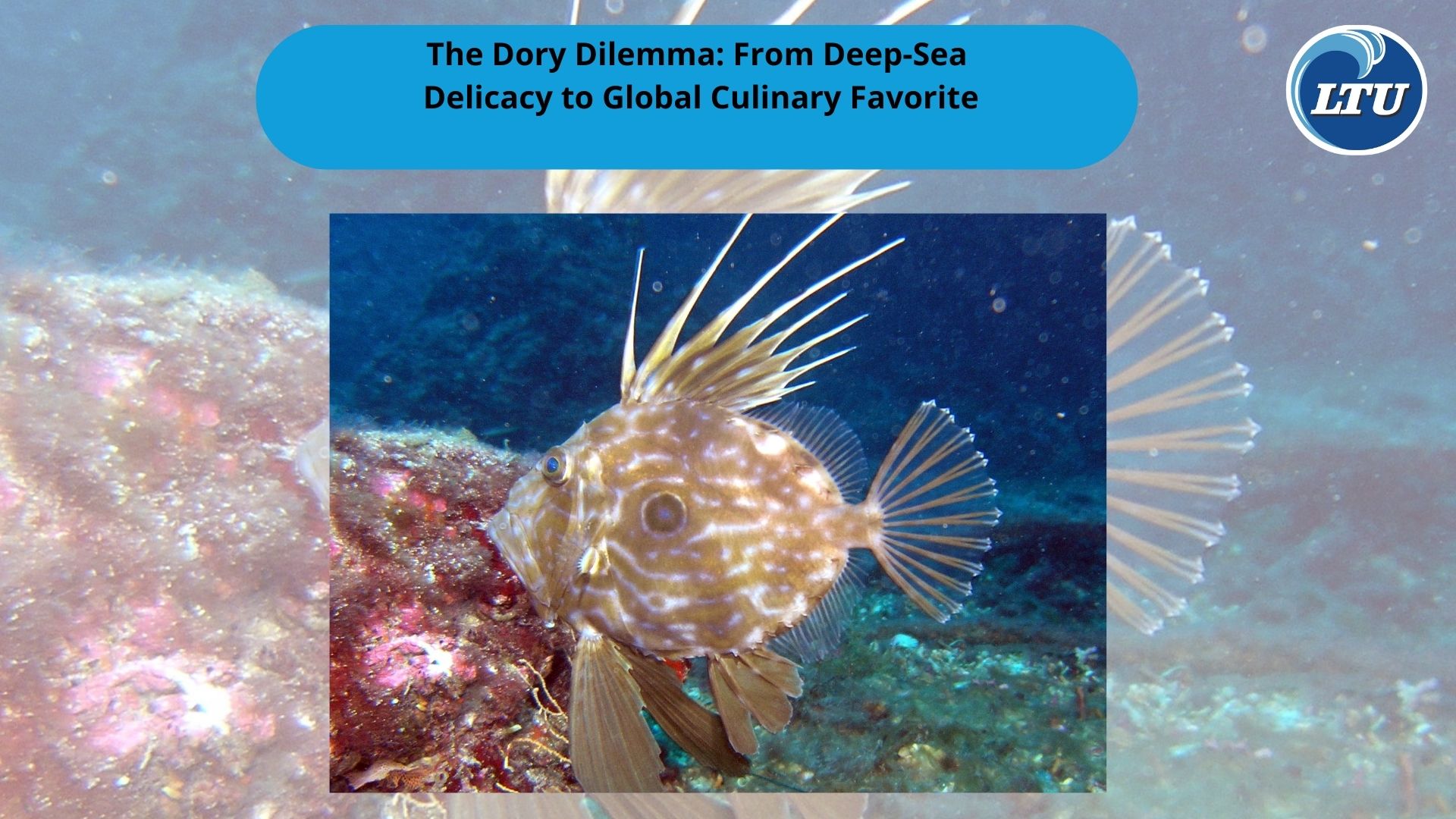
The Dory Dilemma: From Deep-Sea Delicacy to Global Culinary Favorite
If you’ve ever browsed the frozen seafood section of a supermarket or ordered a plate of "Fish and Chips," you’ve likely encountered the name Dory. In the culinary world, "Dory" is a name that carries an air of mystery, largely because it doesn’t refer to just one specific fish. Depending on where you live and what you pay, the dory on your plate could be a prized deep-sea treasure or a budget-friendly staple from the rivers of Southeast Asia.
Understanding the world of Dory requires diving into biology, international trade, and culinary arts. Let’s unravel the story of this versatile fish.
The Two Faces of Dory
In the global market, "Dory" generally refers to two very different types of fish: the John Dory and the Cream Dory.
1. The John Dory (Zeus faber)
The true aristocrat of the Dory family is the John Dory. This saltwater fish is found in the coastal waters of Europe, Africa, Australia, and New Zealand. It is easily recognizable by its unusual appearance: a flat, oval body, a large head, and a distinctive dark "thumbprint" spot on its side. Legend has it that the spot represents the fingerprint of St. Peter, leading to its nickname, the "St. Peter’s Fish."
From a culinary perspective, John Dory is a premium ingredient. Its white flesh is firm, flaky, and possesses a delicate, sweet flavor. Because it is wild-caught and relatively rare, it often commands a high price in fine-dining restaurants.
2. The Cream Dory (Pangasius)
If you are buying affordable frozen fillets labeled "Dory" in Asia or the United States, you are likely eating Cream Dory. Biologically, this isn't a dory at all; it is a species of catfish, specifically Pangasius hypophthalmus.
Raised primarily in the Mekong Delta of Vietnam, Cream Dory has become a global phenomenon due to its low cost and neutral flavor. While it lacks the prestige of the John Dory, its smooth texture and ability to absorb seasonings make it a favorite for mass-market food production and home cooking.
Nutritional Profile: Is it Healthy?
Regardless of which variety you choose, Dory is an excellent source of lean protein. A standard serving of Dory provides:
- High Protein: Essential for muscle repair and metabolic health.
- Low Fat: Unlike salmon or mackerel, Dory is a "white fish," meaning it is very low in fat and calories, making it ideal for weight management.
- Omega-3 Fatty Acids: While not as high as oily fish, Dory still provides heart-healthy fats that support brain function.
- Vitamins and Minerals: It contains significant amounts of Vitamin B12, potassium, and phosphorus.
Note: Because Pangasius (Cream Dory) is farm-raised, it is important to check for quality certifications like the ASC (Aquaculture Stewardship Council) to ensure the fish was raised in a clean, sustainable environment.
Dory’s popularity in the kitchen isn't just about price; it’s about performance. The fish has a unique "mild" profile, which serves as a blank canvas for flavors.
- Texture: The meat is famously smooth—almost buttery—which is why the name "Cream Dory" stuck. It doesn't have the "fishy" smell that often turns people away from seafood.
- Versatility: You can fry it, steam it, bake it, or grill it. Because the fillets are usually boneless and skinless, they are incredibly easy to prepare for children or those who are picky about bones.
Master the Cook: A Simple Pan-Seared Dory
If you have some Dory fillets in your fridge, the best way to enjoy them is to keep it simple. Overcomplicating white fish often masks its natural appeal.
- Pat Dry: Always use a paper towel to dry the fillets. This ensures a crispy exterior rather than a soggy one.
- Season Lightly: A pinch of salt, white pepper, and a dusting of flour is all you need.
- High Heat: Sear the fish in a pan with a mix of olive oil and a small knob of butter.
- The Finish: Once the edges are golden brown (about 3 minutes per side), squeeze fresh lemon juice over the top and garnish with chopped parsley.
If youre interested in our The Dory Dilemma: From Deep-Sea Delicacy to Global Culinary Favorite please do not hesitate to contact us through email and/or Whatsapp

.jpg)

.jpg)
.jpg)

