The Silver King: Unveiling the World of the Barramundi
By. Fajar - 13 Feb 2026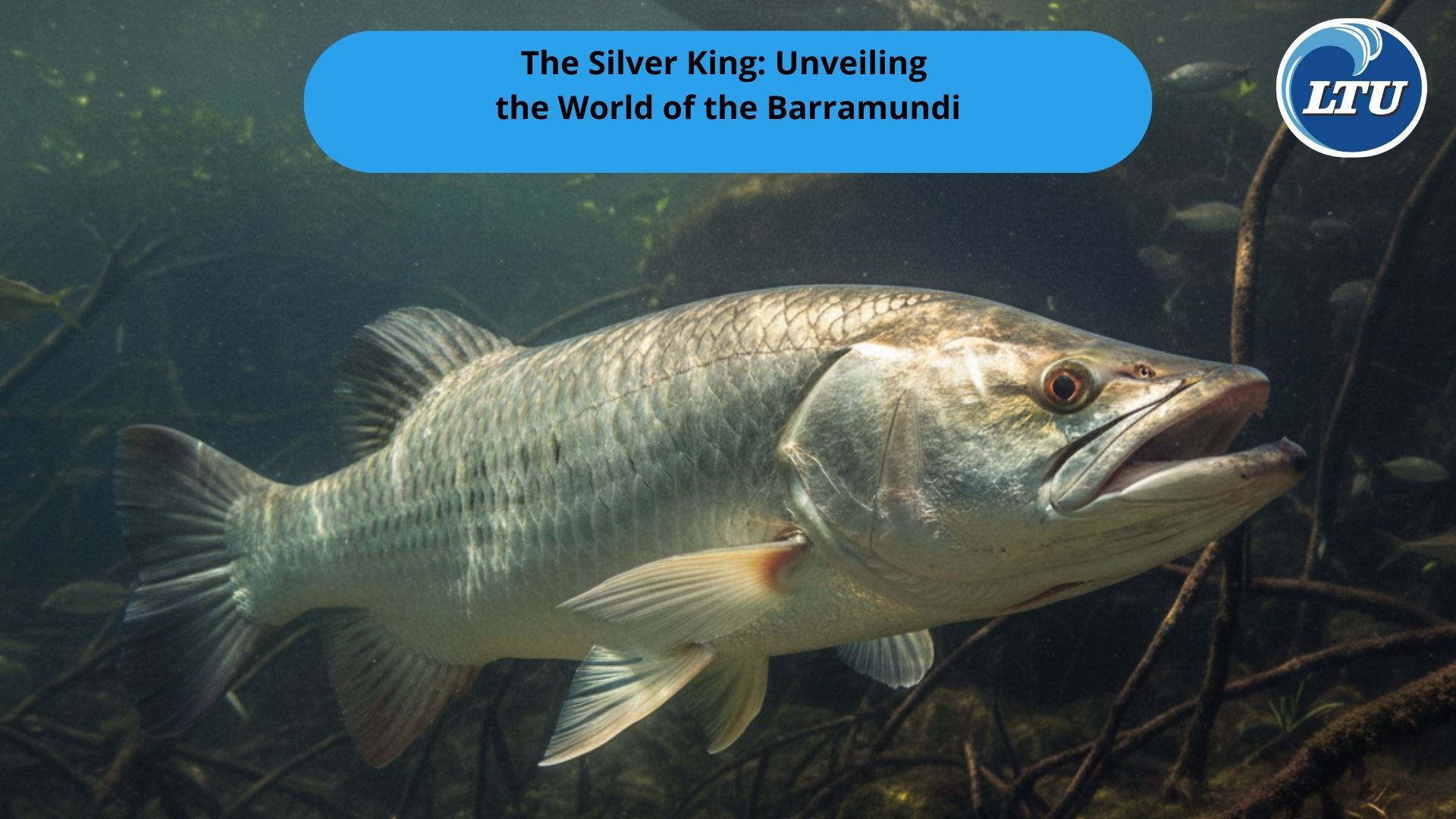
lauttimurutama.com In the vast aquatic tapestry of the Indo-Pacific, few species command as much respect and fascination as the Barramundi (Lates calcarifer). Known as the "Silver King" to anglers and a culinary superstar to chefs, this iconic fish is more than just a trophy or a meal; it is a biological marvel with a life story as shimmering as its scales.
A Name Rooted in History
The word "Barramundi" is derived from an Australian Aboriginal language in the Rockhampton region, meaning "large-scaled river fish." While the name is synonymous with Australian culture, the species inhabits a massive range—from the Persian Gulf through Southeast Asia to Papua New Guinea and Northern Australia.
Whether you call it the Asian Sea Bass, Giant Perch, or Bekti, the Barramundi is easily recognized by its distinct profile: a pointed head, concave forehead, a massive mouth, and a powerful, silver-elongated body.
The Biological Shapeshifter
Perhaps the most mind-blowing fact about the Barramundi is its life cycle. They are catadromous fish, meaning they spend most of their lives in freshwater rivers but migrate to saltwater estuaries to breed.
But there’s a twist: Barramundi are sequential hermaphrotes.
- The Early Years: Almost all Barramundi start their lives as males. They mature around age three or four.
- The Transformation: As they grow larger and older (usually around age five or seven), many undergo a biological sex change to become females.
This ensures that the largest, most "fit" individuals in the population can produce the maximum amount of eggs—sometimes up to 30 million in a single season—securing the future of the species.
The Apex Predator: What Drives the Barramundi?
Barramundi are opportunistic predators. They are the "ambush masters" of the murky river systems. Using their massive lateral lines (the sensory organs along their sides), they can detect vibrations in the water even in pitch-black or muddy conditions.
Their diet is diverse and includes:
- Small fish and crustaceans (prawns are a favorite).
- Insects and mollusks.
- Surprisingly, smaller Barramundi (they aren't above a bit of cannibalism if food is scarce).
When they strike, they do so with explosive force. They create a vacuum by rapidly opening their massive mouths, literally sucking the prey inside before it even realizes it’s in danger.
The Angler’s Ultimate Challenge
For sport fishers, the Barramundi is the "holy grail." It is famous for its acrobatic displays; once hooked, a Barra will frequently launch itself out of the water, shaking its head violently to throw the lure.
The thrill of the "Barra strike" has birthed a massive tourism industry in places like the Northern Territory of Australia and the coastal regions of Thailand and Indonesia. The dream for many is the "Metre Club"—catching a specimen over 100 centimeters long. These "big girls" (since nearly all large Barra are female) are often caught and released to ensure the breeding cycle continues.
From Water to Plate: A Culinary Delight
In the kitchen, Barramundi is prized for its versatility. It features a mild, buttery flavor and a firm, moist texture with large flakes. Unlike some oily fish, it lacks a "fishy" aftertaste, making it a favorite even for people who aren't typical seafood lovers.
Why chefs love Barramundi:
- Healthy Fats: It is rich in Omega-3 fatty acids, which are essential for heart and brain health.
- Sustainability: Barramundi is one of the most sustainable fish to farm. They have a high "feed conversion ratio," meaning they don't require massive amounts of wild-caught feeder fish to grow.
- The Skin: When seared, Barramundi skin becomes incredibly crisp, providing a perfect contrast to the tender meat inside.
Conservation and the Future
While Barramundi populations are generally healthy, they face threats from habitat loss, damming of rivers (which blocks migration paths), and overfishing. However, the rise of aquaculture has taken significant pressure off wild stocks. Today, Australia and Southeast Asia lead the world in high-tech Barramundi farming, ensuring that we can enjoy this magnificent fish without depleting the natural ecosystems.
If youre interested in our Red / Scarlet Snapper Whole Round / Whole Gilled Gutted Scaled,Emperor Fillet Skinless,White Snapper Pearl Perch Whole Round / Whole Gilled Gutted Scaled please do not hesitate to contact us through email and/or Whatsapp



.jpg)
.jpg)
