Ensuring Seafood Safety: A Deep Dive into HACCP for the Fishing Industry
By. Fajar - 17 Feb 2026
lauttimurutama.com From the vast expanse of the ocean to the dinner plates of millions, the journey of a fish is fraught with potential biological, chemical, and physical hazards. Because seafood is highly perishable and often consumed raw or minimally processed, ensuring its safety is not just a matter of quality—it is a matter of public health. This is where HACCP (Hazard Analysis and Critical Control Points) comes into play.
HACCP is a systematic, preventive approach to food safety that identifies potential hazards in the production process and institutes strict measures to prevent them from occurring. In the fish and seafood industry, implementing a robust HACCP plan is the gold standard for compliance and consumer trust.
The Seven Pillars of Fish Safety
To understand how HACCP protects your grilled salmon or tuna sashimi, we must look at its seven core principles applied to the context of fish processing.
1. Hazard Analysis
The first step involves identifying any potential dangers. In the fish industry, these are categorized into three areas:
- Biological: Pathogens like Vibrio, Salmonella, or parasites (common in wild-caught fish).
- Chemical: Histamine (scombrotoxin) formation in species like tuna and mackerel, or environmental contaminants like mercury and pesticide runoff.
- Physical: Bone fragments, metal shards from processing machinery, or fishhooks.
2. Identify Critical Control Points (CCPs)
A CCP is a specific stage in the process where a control measure can be applied to prevent, eliminate, or reduce a hazard to an acceptable level. For fish, the most common CCP is Temperature Control. Keeping fish at temperatures below 4°C (40°F) is vital to stop bacterial growth and histamine development.
3. Establish Critical Limits
For every CCP, there must be a defined boundary. If the CCP is "Cold Storage," the critical limit might be "maintain internal fish temperature at $\le$ 4°C." If the temperature rises above this limit for a specific duration, the product is no longer considered safe.
4. Monitor CCPs
Monitoring ensures that the critical limits are being met. This involves planned observations or measurements. In a modern processing plant, this might look like digital sensors providing real-time logs of the freezer temperature or a technician manually checking the core temperature of a shipment upon arrival.
5. Establish Corrective Actions
What happens when things go wrong? If a freezer breaks down and the fish temperature hits 10°C, the HACCP plan must dictate the next step. This could involve discarding the batch, diverting it to a "cooked-only" processing line, or extending the cooling process, depending on the severity and the species involved.
6. Verification Procedures
Verification is about "checking the checker." It involves activities beyond monitoring to determine if the HACCP system is working effectively. This includes reviewing records, calibrating thermometers, and periodically testing fish samples in a lab for microbial counts.
7. Record-Keeping and Documentation
If it isn’t written down, it didn’t happen. Detailed records of temperature logs, cleaning schedules, and corrective actions are essential for audits and for tracing the source of a problem should a foodborne illness outbreak occur.
Why Fish is "High Risk"
The fish industry faces unique challenges that make HACCP particularly vital. Unlike beef or poultry, many fish species develop Scombrotoxin (Histamine) if they are mishandled after death. This toxin is heat-stable, meaning even if you cook the fish thoroughly later, the toxin remains and can cause severe allergic-like reactions in consumers. Furthermore, the high water content and neutral pH of fish flesh make it an ideal breeding ground for spoilage bacteria.
The Benefits Beyond Safety
While the primary goal of HACCP is safety, the secondary benefits are significant for businesses:
- Market Access: Most international markets, including the US (FDA) and the EU, require HACCP certification for seafood imports.
- Reduced Waste: By catching errors early in the production chain, companies avoid the massive costs associated with full-product recalls.
Consumer Confidence: In an era where "farm-to-table" transparency is highly valued, a certified HACCP plan serves as a badge of quality.
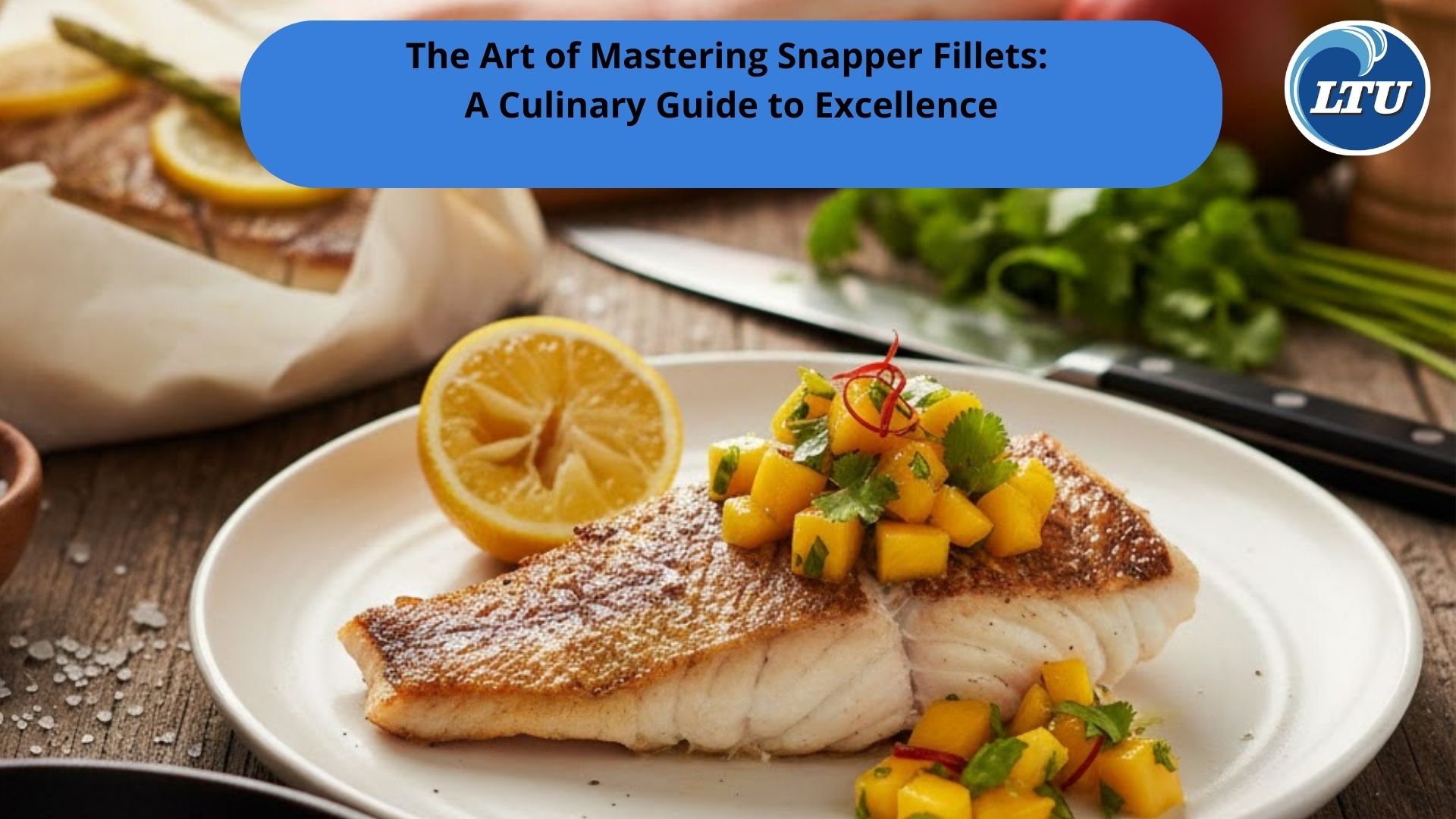
If youre interested in our Snapper Ruby Fillet Skinless Emperor Fillet Skinless Snapper King Soldier Bream Whole Round / Whole Gilled Gutted Scaled please do not hesitate to contact us through email and/or Whatsapp


.jpg)