The Invisible Engine of Excellence: Why Factory Cleanliness is the Ultimate Competitive Advantage
By. Fajar - 17 Feb 2026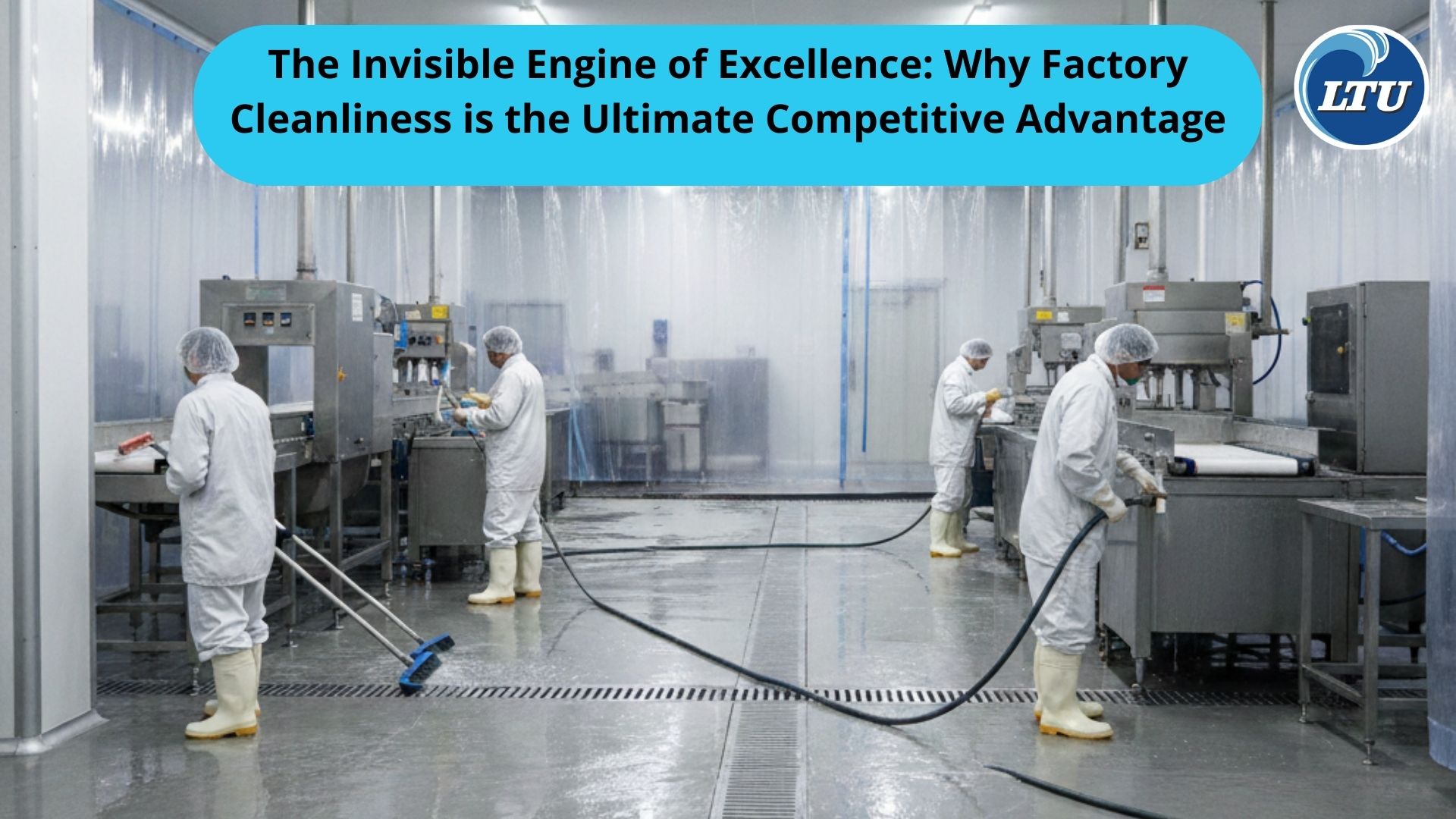
lauttimurutama.com In the world of modern manufacturing, the image of a "factory" has evolved. We have moved far beyond the soot-covered, dimly lit workshops of the Industrial Revolution. Today, the most successful production facilities resemble high-tech laboratories more than traditional plants. This shift isn't just about aesthetics; it is driven by the realization that factory cleanliness is a fundamental pillar of operational efficiency, worker safety, and brand reputation.
Maintaining a pristine industrial environment is often dismissed as a secondary "housekeeping" task. However, for industry leaders, it is a strategic priority. A clean factory is a productive factory, and a dirty one is a ticking time bomb of hidden costs and hazards.
1. The Direct Link to Operational Efficiency
At the heart of every factory is machinery. Whether it is a high-speed bottling line or a precision CNC milling machine, equipment is sensitive to its environment. Dust, metal shavings, and grease buildup are the primary enemies of mechanical longevity.
- Preventing Breakdowns: When particles infiltrate sensitive components, they cause friction and overheating. Regular cleaning acts as a form of "visual inspection." A worker wiping down a machine is more likely to notice a small oil leak or a frayed wire before it turns into a catastrophic failure.
- Optimizing Performance: In industries like electronics or pharmaceuticals, even microscopic contaminants can ruin an entire batch. Cleanliness ensures that the environment remains "in-spec," reducing the Reject Rate and maximizing the yield of high-quality products.
2. Safeguarding the Human Element
The most valuable asset in any factory is its workforce. A cluttered and dirty workspace is inherently dangerous. According to global occupational health statistics, "Slips, Trips, and Falls" remain the leading cause of workplace injuries.
- Safety First: Oil spills on the floor, obstructed walkways, and poorly stored materials are all accidents waiting to happen. A strict cleanliness protocol ensures that hazards are identified and removed immediately.
- Air Quality and Health: Factories often involve processes that generate fumes, mists, or dust. Without proper ventilation and regular cleaning of air filtration systems, workers risk developing chronic respiratory issues. A clean environment shows employees that their health is a priority, which directly boosts morale and retention.
3. The Psychology of the Workspace
There is a profound psychological impact on workers when they walk into a clean, well-organized facility. This is the core philosophy behind the Japanese 5S Methodology (Sort, Set in order, Shine, Standardize, and Sustain).
When a factory is "Shining" (the third S), it fosters a culture of discipline. If a floor is spotless, a worker is less likely to throw a piece of trash on it. If tools are cleaned and returned to their specific silhouettes, the "search time" is eliminated. This sense of order reduces stress and encourages workers to take pride in their craft. A clean factory doesn't just produce goods; it produces a professional mindset.
4. Regulatory Compliance and Brand Image
In the globalized economy, transparency is everywhere. Clients, auditors, and government inspectors frequently visit production sites.
- Passing Audits: For food, beverage, and medical industries, cleanliness isn't optional—it’s the law. Failing to meet hygiene standards can lead to massive fines, license revocations, and legal action.
- The "Showroom" Effect: A clean factory is a powerful marketing tool. When a potential client tours your facility and sees a gleaming production floor, they see reliability. They conclude that if a company cares this much about its floors and machines, it must care equally about the quality of the final product.
5. Implementing a Culture of Cleanliness
Achieving a clean factory isn't about a one-time "deep clean" before an inspection. It requires a systematic approach:
- Investment in Equipment: Using industrial-grade scrubbers, high-efficiency vacuum systems, and proper waste management bins.
- Standard Operating Procedures (SOPs): Clearly defining who cleans what, when, and how.
- Accountability: Making cleanliness part of the Key Performance Indicators (KPIs) for every department, from the floor operators to the plant manager.
If youre interested in our Snapper Ruby Fillet Skinless Emperor Fillet Skinless Snapper King Soldier Bream Whole Round / Whole Gilled Gutted Scaled please do not hesitate to contact us through email and/or Whatsapp





.jpg)