The Cobia: The Sleek Powerhouse of the Open Ocean
By. Fajar - 20 Feb 2026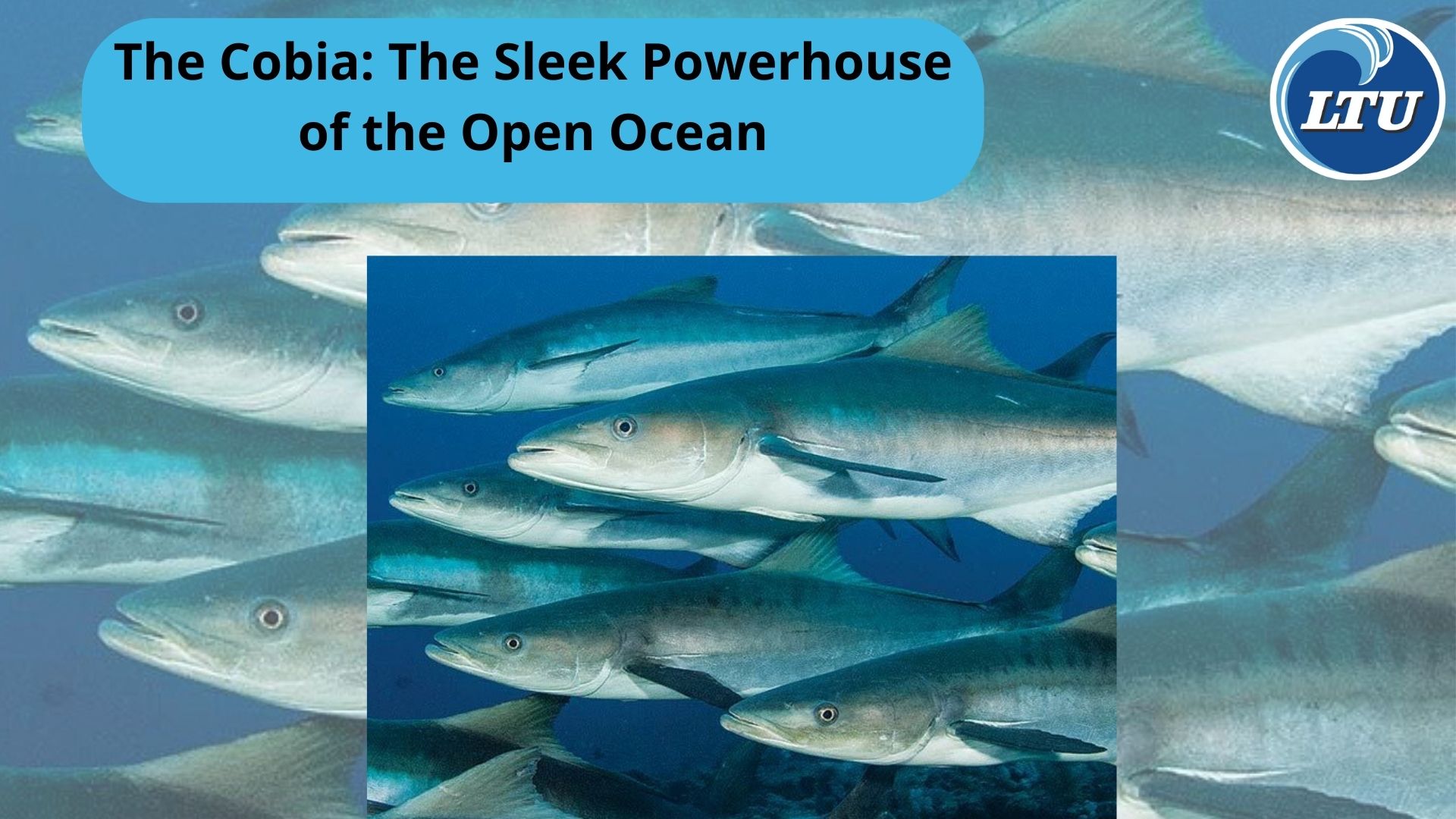
laittimurutama.com In the vast, blue expanse of the world’s tropical and subtropical oceans, few fish command as much respect from both anglers and chefs as the Cobia (Rachycentron canadum). Often mistaken for a shark or a remora due to its sleek silhouette and dark lateral banding, the cobia is a singular species—the only member of its family, Rachycentron. Whether you know it as the black kingfish, lemonfish, or prodigal son, the cobia is a fascinating marine marvel that bridges the gap between wild predator and sustainable seafood superstar.
A Master of Disguise and Motion
At first glance, a cobia can be intimidating. They possess long, torpedo-shaped bodies, broad flattened heads, and a distinct dark brown coloration that fades to a silvery-white belly. When young, they sport prominent black and white horizontal stripes, which mellow as they reach maturity.
One of their most defining physical traits is the series of 7 to 9 short, sharp independent spines located just in front of their dorsal fin. These aren't just for show; they serve as a defense mechanism against larger predators. Reaching lengths of up to 2 meters and weighing as much as 60 kilograms, these fish are built for sustained speed and power.
Habitat and Curious Behavior
Cobia are the ultimate nomads. They are found globally in warm waters, except for the central and eastern Pacific. You can find them off the coast of the United States, throughout the Indo-Pacific, and trailing along the shores of Africa and Australia.
What truly sets the cobia apart is its inquisitive nature. Unlike many shy pelagic fish, cobia are known to be bold. They are often found:
- Hitching a ride: Following large rays, turtles, or sharks to scavenge leftover scraps.
- Seeking structure: Hovering around buoys, pilings, shipwrecks, and even drifting debris.
- Inshore/Offshore shifts: While they prefer the open sea, they frequently enter bays and mangroves to spawn or hunt, making them a favorite target for coastal fishermen.
The Ultimate Game Fish
For the recreational angler, the cobia is a "bucket list" species. They are notorious for their fighting spirit. When hooked, a cobia doesn't just run; it performs a series of powerful, erratic dives and surface thrashes that test the limits of any fishing tackle.Because they are curious, they will often swim right up to a boat to investigate, a behavior that leads to heart-pounding "sight fishing" opportunities. However, the real challenge begins once the fish is on the deck; a large cobia is pure muscle and can cause significant chaos (and broken gear) if not handled with care.
The "Wagyu of the Sea"
While its fighting prowess is legendary, the cobia’s reputation in the culinary world is perhaps even more impressive. In recent years, it has earned the nickname "The Wagyu of the Sea" due to its high fat content and rich, buttery flavor.
The meat is firm, white, and flaky, making it incredibly versatile. It lacks the "fishy" punch of tuna or mackerel, offering a mild sweetness that appeals to a wide range of palates. Chefs prize cobia because it holds up beautifully under various cooking methods:
- Sashimi/Crudo: Its clean flavor makes it a premium choice for raw preparations.
- Grilling: The high oil content prevents the meat from drying out over an open flame.
- Searing: It develops a delicious, golden-brown crust while remaining moist inside.
A Sustainable Future: Aquaculture
As global demand for seafood rises, the cobia has emerged as a beacon of hope for sustainable aquaculture. They are considered one of the most suitable candidates for open-ocean farming for several reasons:
- Growth Rate: Cobia grow at a staggering pace, reaching 5–6 kilograms in just one year—significantly faster than salmon.
- Feed Efficiency: They convert feed into protein very effectively.
- Hardiness: They are resilient and adapt well to farmed environments without the need for heavy antibiotic use.
Companies in Panama, Vietnam, and Taiwan are leading the way in deep-water cage farming, ensuring that we can enjoy this delicious fish without over-pressuring wild populations.
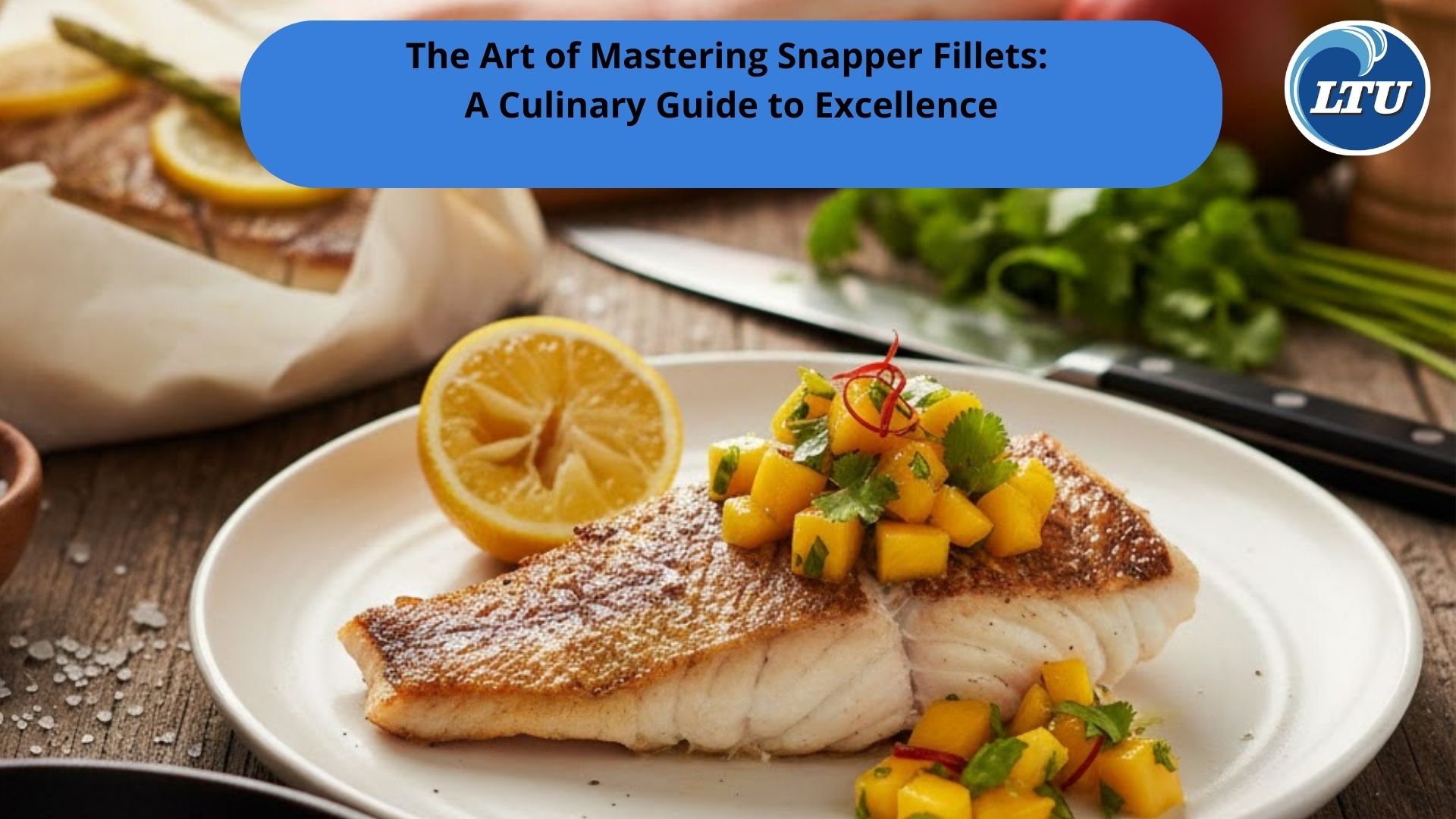
If youre interested in our Red / Scarlet Snapper Whole Round / Whole Gilled Gutted Scaled,Emperor Fillet Skinless,White Snapper Pearl Perch Whole Round / Whole Gilled Gutted Scaled please do not hesitate to contact us through email and/or Whatsapp



.jpg)
