Precision and Purity: The Industrial Process of Squid Ink Extraction and Removal
By. Fajar - 26 Feb 2026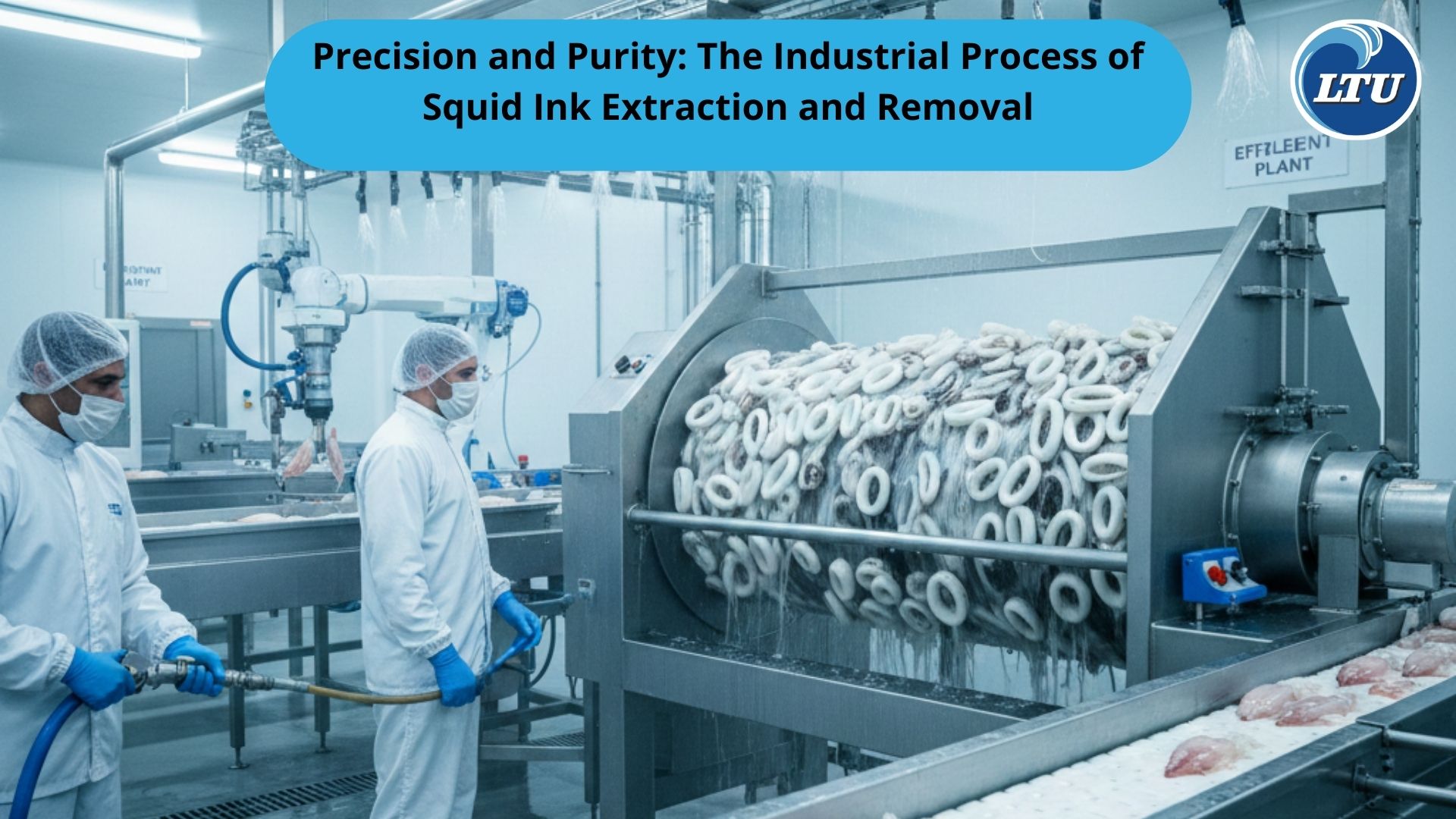
lauttimurutama.com In the world of seafood processing, the squid is a fascinating yet challenging cephalopod. While its tender mantle is a delicacy and its tentacles are a culinary staple, it carries a "hidden weapon" that can be both a valuable byproduct and a significant processing hurdle: squid ink.
In a commercial processing plant, the management of squid ink is a high-stakes operation. Whether the goal is to harvest the ink for gourmet food production or to ensure the final calamari rings are pristine and pearly white, the process requires a blend of mechanical precision, chemical understanding, and rigorous hygiene standards.
1. The Anatomy of the Challenge
Before extraction begins, it is essential to understand the source. The ink is stored in the ink sac, a small, silver-blue pouch located near the siphon and the digestive gland. In an industrial setting, thousands of pounds of squid are processed hourly. If a single sac ruptures prematurely, it can stain an entire batch of meat, turning what should be high-grade white calamari into a greyish, unappealing product.
2. Stage One: Primary Extraction (Harvesting)
For many companies, squid ink is "liquid gold." It is sold to high-end restaurants and pasta manufacturers. Therefore, the first step is often the careful manual or semi-automated removal of the ink sac.
- Manual Extraction: Skilled workers use specialized knives to separate the viscera (the internal organs) from the mantle. They identify the ink sac and gently pull it away without piercing the membrane.
- Mechanical Sorting: In advanced facilities, vision-controlled robotic arms identify the orientation of the squid, allowing vacuum-assisted tools to extract the internal organs in one clean motion.
Once collected, the sacs are placed in chilled containers to prevent enzymatic breakdown.
3. Stage Two: Purification and Filtration
Once the ink is out of the squid, it isn't ready for use. Raw ink contains bits of tissue and high concentrations of salt. To make it a commercial-grade product, companies put the ink through a centrifugation process.
By spinning the ink at high speeds, the liquid is separated from solid impurities. The resulting "pure ink" is then filtered through ultra-fine meshes to ensure a smooth, consistent texture. This is crucial because the pigments (mostly melanin) must be finely dispersed to provide that deep, signature black color without being gritty.
4. Stage Three: Eliminating Stains (The Cleaning Process)
While some ink is harvested, much of it inevitably ends up on the machinery, the floors, and the squid meat itself. This is where the removal and cleaning phase becomes critical. Squid ink is notoriously difficult to clean because it is designed by nature to be an adhesive, high-contrast dye.
A. Meat Bleaching and Washing
If the ink has touched the squid meat, processors use a series of "wash chillers." These are large, rotating drums filled with ice-cold, purified water.
- Agitation: The mechanical tumbling helps dislodge the pigment from the porous surface of the meat.
- pH Balancing: Sometimes, food-grade organic acids (like citric acid) are added to the wash. This slightly alters the pH, making it harder for the melanin to bind to the proteins in the squid meat.
B. Industrial Equipment Sanitation
Cleaning the factory line requires a Clean-in-Place (CIP) system. Because squid ink contains proteins and lipids, it can create a "biofilm" on stainless steel. Companies use:
- Alkaline Cleaners: To break down the proteins and fats in the ink.
- Oxidizing Agents: Such as hydrogen peroxide solutions, which help "bleach" any remaining dark pigments without leaving toxic residues.
5. Quality Control and Environmental Impact
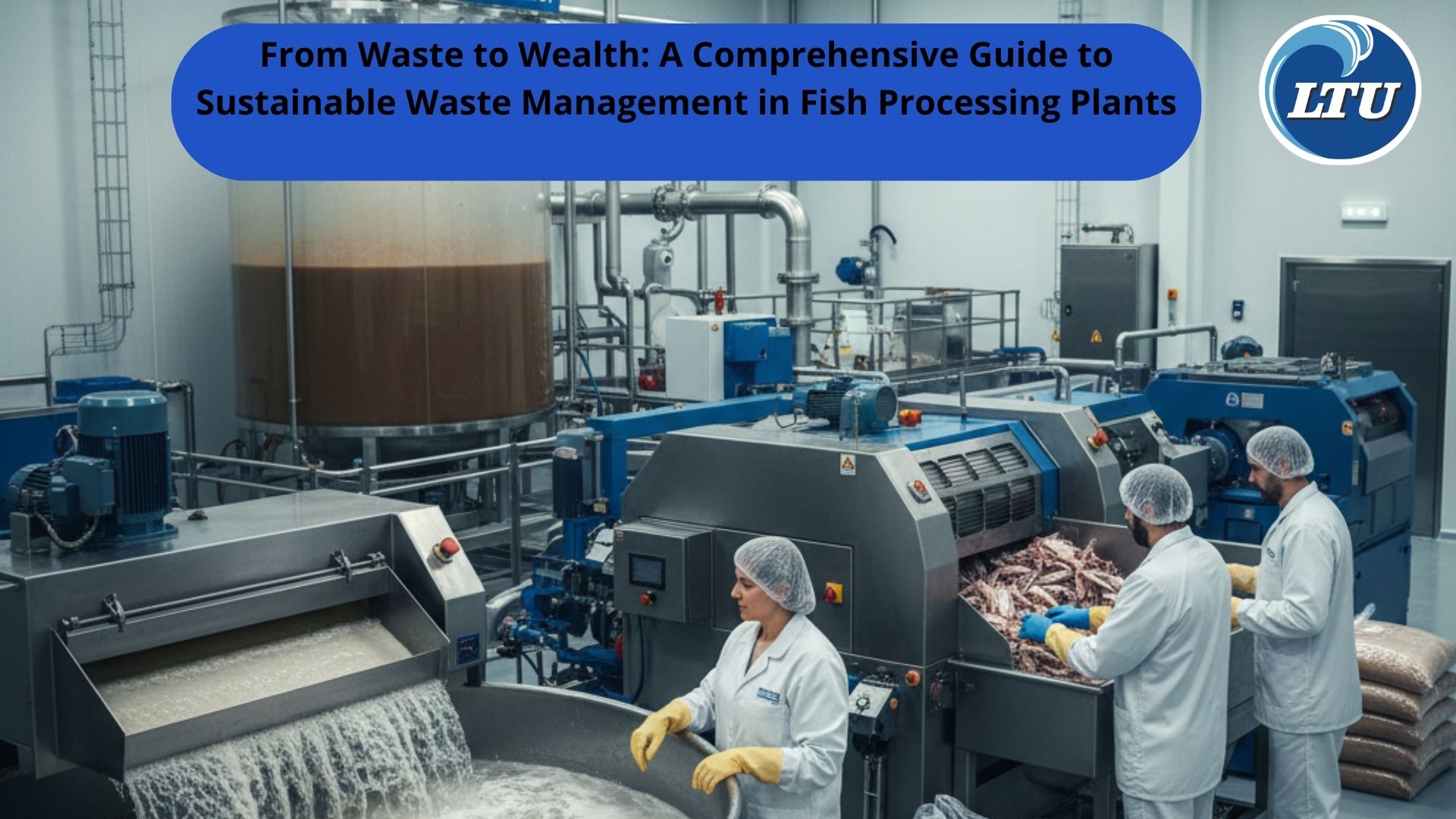
Modern seafood companies are under strict "Zero Waste" mandates. The water used to wash away the ink cannot simply be dumped into the sewer. It must pass through an effluent treatment plant (ETP).
In the ETP, flocculants are added to the wastewater. These chemicals cause the suspended ink particles to clump together (flocculation), allowing them to be filtered out. The result is clear water that meets environmental standards and a concentrated "sludge" that can sometimes be repurposed for fertilizer.
6. The Future: Enzyme-Based Cleaning
The industry is currently moving toward enzymatic cleaners. Specific enzymes (proteases) are being developed to "digest" the ink proteins on a molecular level. This reduces the need for harsh chemicals and high water temperatures, making the process more sustainable and cost-effective.
If youre interested in our Red / Scarlet Snapper Whole Round / Whole Gilled Gutted Scaled,Emperor Fillet Skinless,White Snapper Pearl Perch Whole Round / Whole Gilled Gutted Scaled please do not hesitate to contact us through email and/or Whatsapp
 Exports.jpg)