Tiny Fish, Massive Impact: The Growing Value of Global Anchovy (Teri) Exports
By. Fajar - 26 Feb 2026 Exports.jpg)
lauttimurutama.com In the vast landscape of global seafood trade, it is easy to overlook the humblest of players. While salmon, tuna, and shrimp often dominate the headlines and high-end menus, a tiny, silver-scaled fish is quietly carving out a multi-billion dollar niche in the international market. The anchovy, known affectionately in Southeast Asia as Teri, has transformed from a local staple into a high-value export commodity.
The economic trajectory of anchovy exports is a fascinating study of how shifting consumer health trends, industrial innovation, and global supply chain dynamics can elevate a "small pelagic" fish into a strategic national asset.
The Economic Scale of the Anchovy Trade
The global anchovy market is currently valued at several billion dollars, with projections showing a steady Compound Annual Growth Rate (CAGR) of approximately 4% to 5.5% over the next decade. While South American giants like Peru and Chile dominate the industrial-scale "fishmeal" sector, Southeast Asian nations—particularly Indonesia, Thailand, and Vietnam—are leading the charge in the high-value human consumption sector.
For countries like Indonesia, the export value of "Teri" (specifically varieties like Teri Nasi or white anchovies and Teri Jengki) has seen a significant uptick. In recent fiscal years, Southeast Asian anchovy exports have contributed hundreds of millions of dollars to regional GDPs. The price point for premium, sun-dried, or freeze-dried white anchovies in markets like Japan, Taiwan, and South Korea can reach surprising highs, often outperforming larger fish species on a per-kilogram basis.
Drivers of Export Value
Several key factors have propelled the export value of anchovies to new heights:
1. The "Superfood" Recognition
Modern health-conscious consumers, particularly in Europe and North America, are moving away from large predatory fish due to concerns over mercury accumulation. Anchovies, being at the bottom of the food chain, have negligible mercury levels while being packed with Omega-3 fatty acids, calcium, and protein. This "superfood" status has allowed exporters to rebrand "Teri" from a poor man's protein to a premium health supplement and gourmet ingredient.
2. Diversification of End-Products
The export value is no longer tied solely to raw or dried fish. The industry has diversified into:
- Culinary Pastes and Sauces: The global "Umami" trend has skyrocketed demand for high-quality fish sauces and anchovy pastes.
- Pharmaceutical Grade Fish Oil: High-potency Omega-3 capsules often derive their oil from anchovies.
- Pet Food Premiumization: The booming luxury pet food market utilizes anchovy powder as a high-protein, hypoallergenic additive.
3. Technological Advancements in Processing
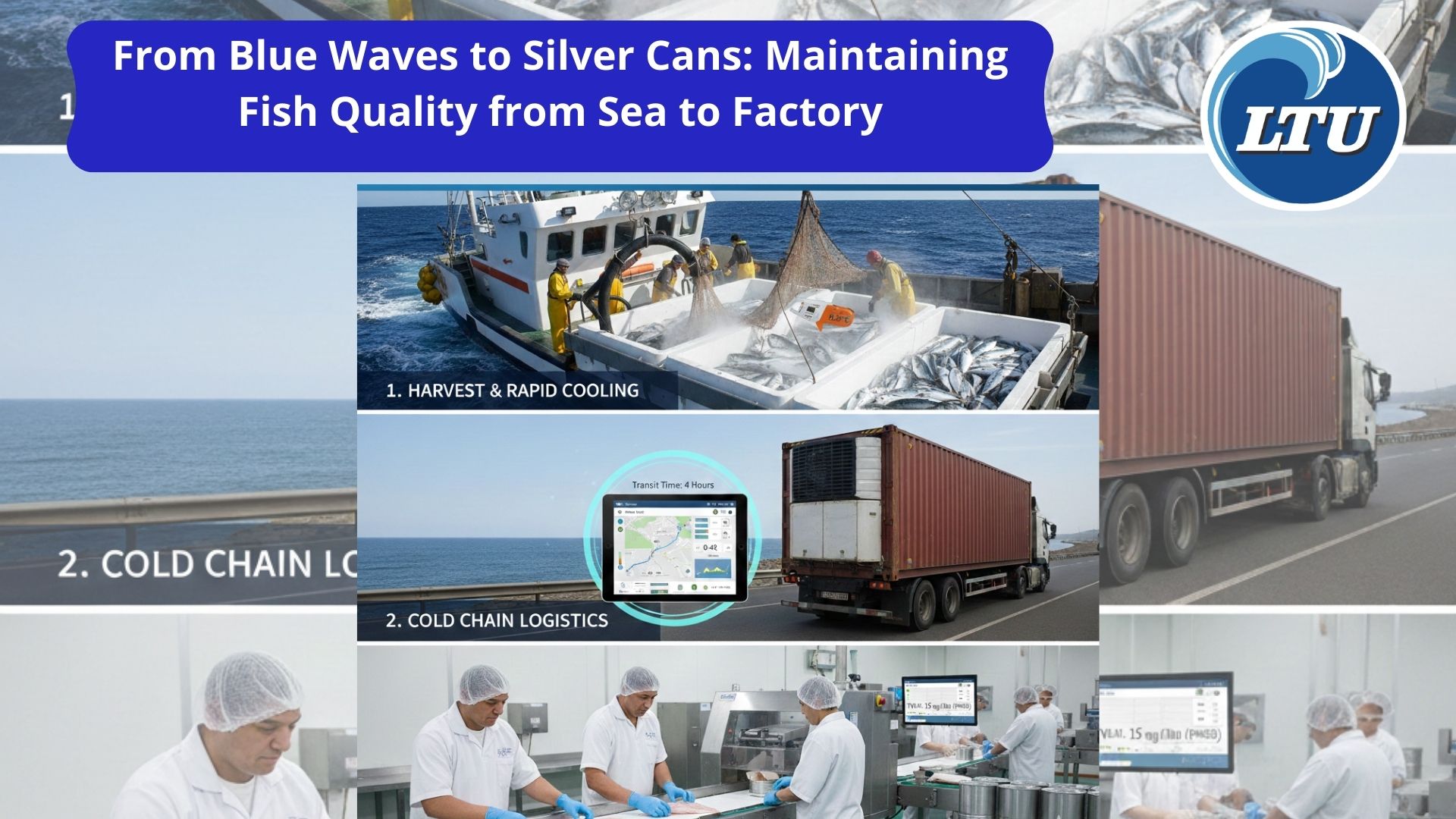
The transition from traditional sun-drying on beaches to industrial Cold Chain Management and Vacuum Drying has been a game-changer. By maintaining the "pearly white" color of Teri Nasi, exporters can command prices in the Japanese Shirasu market that are 300% higher than standard dried anchovies.
Market Destinations and Regional Powerhouses
The flow of anchovy exports follows a distinct geographical pattern:
|
Exporting Region |
Primary Product Type |
Major Destinations |
|
South America (Peru/Chile) |
Fishmeal & Crude Oil |
China, EU (Industrial Use) |
|
Southeast Asia (Indonesia/Vietnam) |
Dried, Salted, & Fresh |
Japan, South Korea, USA, Taiwan |
|
Mediterranean (Italy/Spain) |
Canned in Oil/Fillets |
USA, UK, Northern Europe |
Japan remains one of the most lucrative destinations. The Japanese demand for Teri Nasi (known there as Chiri-men) is insatiable, provided the products meet their rigorous biosecurity and aesthetic standards. Meanwhile, the United States has seen a "tinned fish" renaissance, where premium canned anchovies are trending as sustainable snacks.
Challenges to the Export Value
Despite the optimistic numbers, the "Teri" export industry faces significant headwinds:
- Climate Change and El Niño: Anchovies are highly sensitive to water temperature. Shifts in ocean currents can cause stocks to migrate or crash, leading to extreme price volatility in the export market.
- Sustainability Certification: Global buyers are increasingly demanding MSC (Marine Stewardship Council) certification. Small-scale fishermen in developing nations often struggle to afford the documentation and monitoring required to access these high-value "green" markets.
- Logistics and Phytosanitary Barriers: Because anchovies are small and delicate, they spoil rapidly. Maintaining a perfect cold chain from a remote coastal village to a supermarket
If youre interested in our Red / Scarlet Snapper Whole Round / Whole Gilled Gutted Scaled,Emperor Fillet Skinless,White Snapper Pearl Perch Whole Round / Whole Gilled Gutted Scaled please do not hesitate to contact us through email and/or Whatsapp