The Painted Sweetlips: Unveiling the Beauty of the Kaci-Kaci Fish
By. Fajar - 02 Mar 2026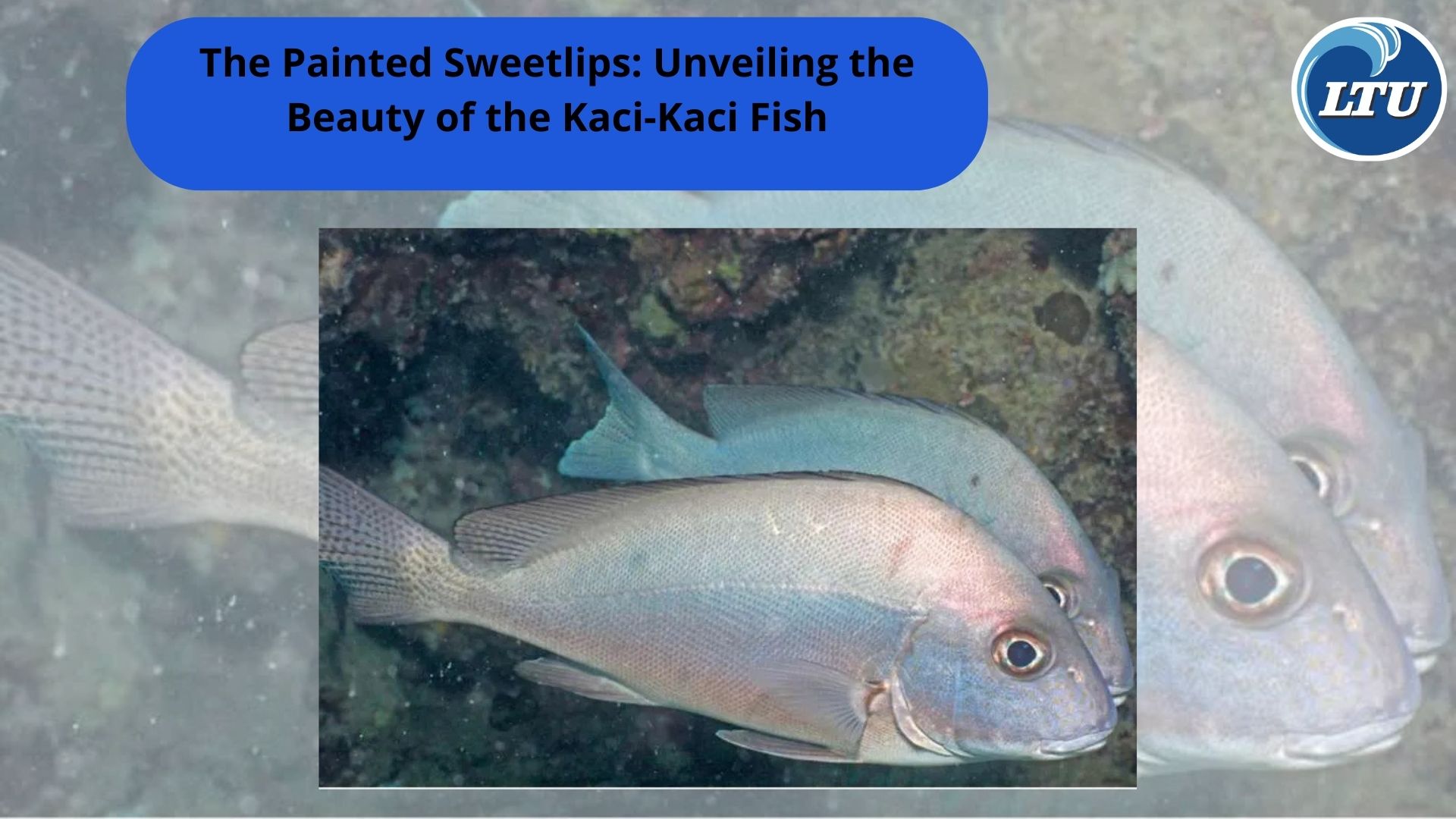
lauttimurutama.com In the vibrant, bustling metropolises of the Indo-Pacific coral reefs, few residents are as visually striking or as misunderstood as the Kaci-Kaci. Known internationally by the charming name Painted Sweetlips (Diagramma pictum), this fish is a staple of tropical marine ecosystems and a prized catch for both artisanal fishermen and underwater photographers. With its bold patterns and unique physiological traits, the Kaci-Kaci serves as a fascinating case study in marine adaptation and biodiversity.
A Master of Transformation
One of the most remarkable aspects of the Kaci-Kaci is its dramatic physical evolution. Unlike many land animals that look like smaller versions of their parents, the Painted Sweetlips undergoes a complete aesthetic overhaul as it matures.
- The Juvenile Phase: Young Kaci-Kaci are the "breakdancers" of the reef. They sport bold, dark brown or black longitudinal stripes against a creamy white body. To protect themselves from predators, they swim with a frantic, undulating motion that mimics toxic flatworms or nudibranchs.
- The Adult Phase: As they grow, the stripes break apart into a sophisticated "polka-dot" pattern. Adults typically display a silvery-grey body covered in thousands of tiny yellowish-brown spots. They can grow up to 100 cm in length, becoming a sturdy, impressive presence on the reef.
The name "Sweetlips" comes from their most defining feature: prominent, fleshy, and often brightly colored lips that give the fish a permanent pout.
Habitat and Behavior
The Kaci-Kaci is a creature of the shadows and the structures. They are primarily found in the coastal waters of the Indo-West Pacific, ranging from the Red Sea and East Africa to Japan and New Caledonia.
During the daylight hours, they are relatively sedentary. You will often find them hovering motionlessly under coral overhangs, inside shipwrecks, or within deep crevices. They are semi-nocturnal, meaning they prefer the safety of the reef during the day and become active hunters under the cover of darkness.
When the sun sets, the Kaci-Kaci leaves its shelter to forage over sandy bottoms and seagrass beds. Their diet is diverse, consisting mostly of:
- Benthic invertebrates (crabs, shrimp, and worms).
- Small mollusks.
- Occasional small fish.
Ecological and Economic Importance
In countries like Indonesia, Malaysia, and the Philippines, the Kaci-Kaci—or Ikan Kaci-Kaci—holds significant value. It is not just a biological wonder but also a vital resource.
1. The Culinary Perspective
The meat of the Kaci-Kaci is highly regarded for its texture and flavor. It features a firm, white flesh that is relatively low in fat, making it versatile for various cooking methods. In local markets, it is often:
- Grilled (Ikan Bakar): Infused with spices and lime.
- Steamed: To preserve its delicate natural sweetness.
- Fried: Served with spicy sambal.
2. The Aquarium Trade
Because of their stunning juvenile patterns, Kaci-Kaci are often sought after for large home aquaria. However, this is a point of contention among conservationists. These fish grow rapidly and require massive tanks (often over 200 gallons) to survive, meaning they are often ill-suited for the average hobbyist.
3. Reef Health
As intermediate predators, they play a crucial role in maintaining the balance of the reef’s invertebrate populations. By feeding on crustaceans and worms, they help prevent any single species from overpopulating and damaging the delicate coral ecosystem.
Conservation Status: A Silent Warning
Currently, the Painted Sweetlips is not listed as an endangered species, but it faces the same threats as most reef-dwelling organisms. Overfishing and habitat destruction are the primary concerns.
Because Kaci-Kaci tend to congregate in specific "cleaning stations" or resting spots during the day, they are easy targets for spearfishers and net fishing. Furthermore, the degradation of coral reefs due to rising sea temperatures and pollution strips them of the crevices they need for protection.
Pro Tip for Divers: If you encounter a Kaci-Kaci while diving, maintain a respectful distance. They are generally shy but incredibly curious. If you remain still, they may drift out from their hiding spot, allowing you to witness their intricate spot patterns in the natural light.
If youre interested in our Red / Scarlet Snapper Whole Round / Whole Gilled Gutted Scaled,Emperor Fillet Skinless,White Snapper Pearl Perch Whole Round / Whole Gilled Gutted Scaled please do not hesitate to contact us through email and/or Whatsapp



 Exports.jpg)