From Scraps to Gold: Turning Fish Waste into Revenue Streams
By. Fajar - 05 Mar 2026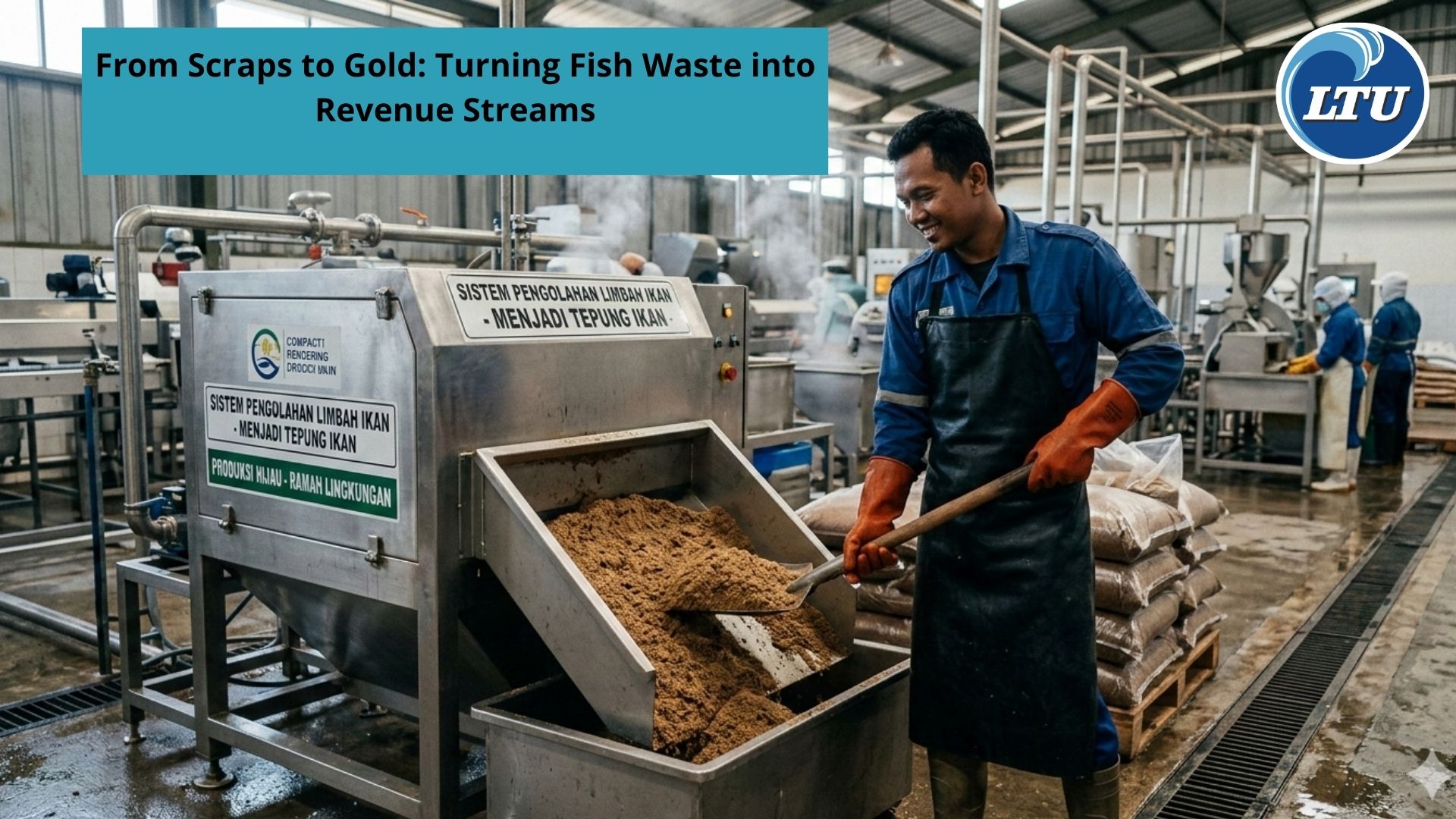
lauttimur.com The global fishing industry is a titan of food production, but it carries a heavy secret: nearly 30% to 50% of the raw material—heads, guts, scales, bones, and skins—is often discarded as waste. In a traditional fish processing plant, these "by-products" are seen as a disposal headache and an environmental liability.
However, the tide is turning. In the modern circular economy, what was once "waste" is now being rebranded as "underutilized biomass." By implementing smart processing techniques, a factory can transform smelly offal into high-value products. Here is how your fish plant can turn waste into "Rupiah" (revenue).
1. The Low-Hanging Fruit: Fish Meal and Oil
The most established way to monetize waste is through a rendering plant. Fish scraps are cooked, pressed, and dried to create two primary commodities:
- Fish Meal: A high-protein powder essential for the aquaculture and livestock industries. As the demand for farmed fish grows, the price of quality fish meal remains robust.
- Fish Oil: Extracted during the pressing process, this oil is rich in Omega-3 fatty acids. While some is used for animal feed, refined fish oil can be sold to the pharmaceutical and supplement industries for a much higher premium.
2. High-End Extraction: Marine Collagen
If your factory processes skin and scales (especially from species like tilapia, snapper, or cod), you are sitting on a gold mine. Marine collagen is a darling of the cosmetic and health industries.
Through a process of hydrolysis, the collagen in fish skin is broken down into peptides. These are used in anti-aging creams, joint health supplements, and even medical dressings. While the setup for a collagen extraction line requires a higher initial investment, the profit margins are significantly higher than selling fish meal.
3. Turning Scales into "Plastic" and Glitter
Innovation has reached a point where fish scales—once the most difficult waste to manage—are becoming versatile raw materials.
- Chitin and Chitosan: Extracted from the shells of crustaceans (and some fish structures), these biopolymers are used in water treatment, agriculture (as a natural pesticide), and even biodegradable packaging.
- Pearlescent Pigments: The guanine crystals found in fish scales provide a natural shimmer. High-end makeup brands use refined fish scale essence to create "natural" pearlescent effects in nail polish and lipsticks.
4. Liquid Gold: Fish Protein Hydrolysates (FPH)
Instead of drying waste into meal, factories can use enzymes to break down fish scraps into Fish Protein Hydrolysates. This liquid or powder form is highly digestible and packed with bioactive peptides.
- In Agriculture: FPH acts as a powerful bio-stimulant for plants, improving soil health and crop yields.
- In Food Tech: It is used as a natural flavor enhancer (similar to fish sauce but more concentrated) or a nutritional supplement for "superfoods."
5. Energy Recovery: Biogas Digestion
If the waste is too degraded for food or cosmetic use, it can still generate value through Anaerobic Digestion. By placing organic fish waste in an oxygen-free tank with specific bacteria, the plant can produce biogas.
This gas can be burned to produce electricity or heat for the factory’s own boilers, drastically reducing operational utility bills. The leftover sludge, known as digestate, is an excellent organic fertilizer that can be sold to local farmers.
The Economic and Environmental Impact
Converting waste into products creates a "double win" for the factory owner:
|
Category |
Traditional Model |
Circular Model |
|
Waste Cost |
High (Paying for disposal/landfill) |
Zero (Used as raw material) |
|
Revenue |
Single (Fillet sales only) |
Multiple (Meal, Oil, Collagen, Fertilizer) |
|
Compliance |
Risk of fines for water pollution |
Eco-friendly "Green" certification |
|
Brand Image |
Industrial polluter |
Sustainable innovator |
How to Start the Transformation
To turn your fish plant into a zero-waste revenue machine, consider these three steps:
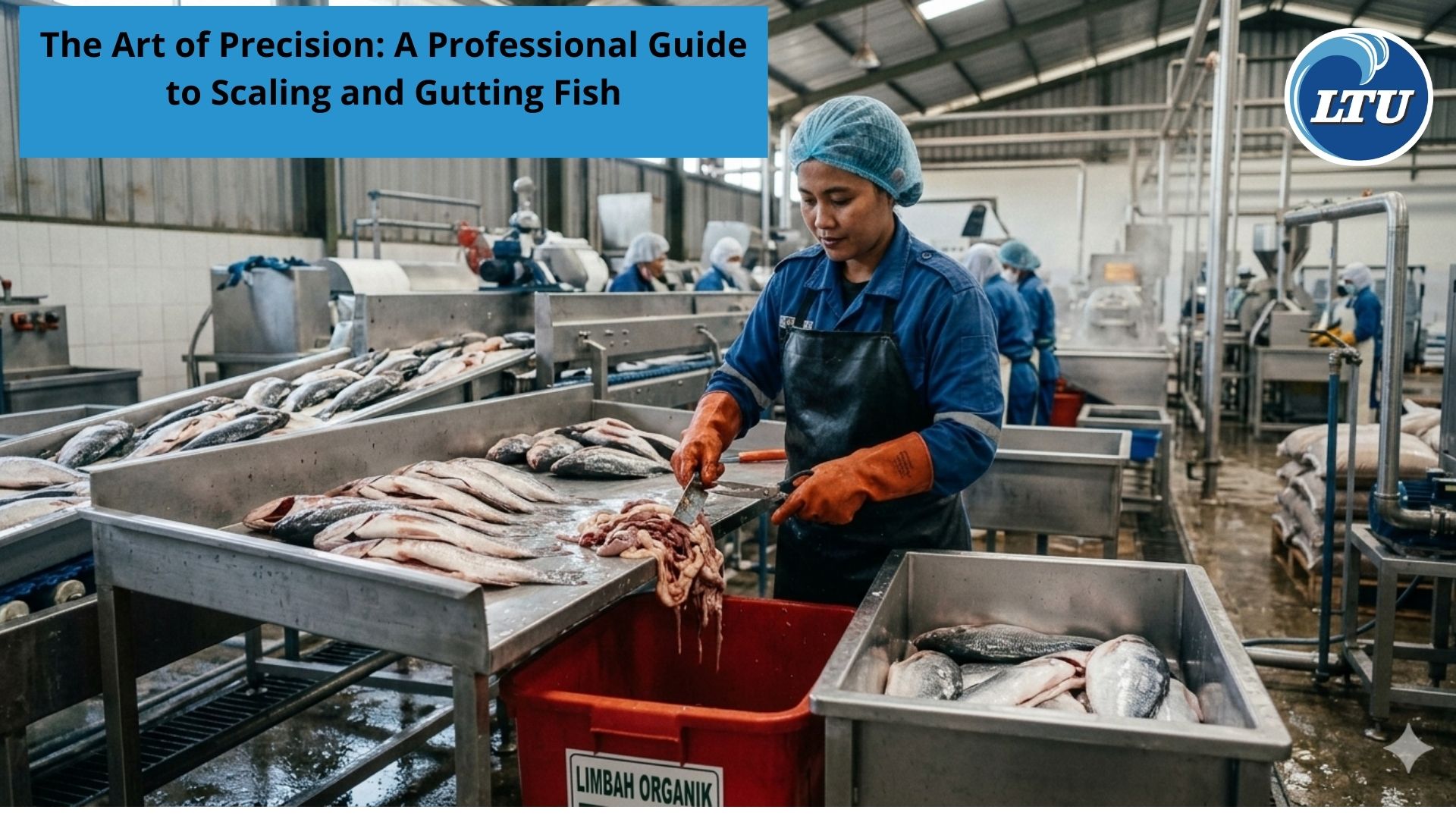
- Segregation at the Source: Don't mix different types of waste. Keep skins separate from guts to ensure high-quality collagen extraction.
- Cold Chain Management: Treat "waste" with the same temperature controls as your fillets. Rotting waste loses its protein and oil value rapidly.
- Partnerships: If your factory is too small to build a rendering plant, partner with a centralized processing hub that buys raw waste from multiple factories.
If youre interested in our Red / Scarlet Snapper Whole Round / Whole Gilled Gutted Scaled,Emperor Fillet Skinless,White Snapper Pearl Perch Whole Round / Whole Gilled Gutted Scaled please do not hesitate to contact us through email and/or Whatsapp
 Exports.jpg)
