The Art of Precision: A Professional Guide to Scaling and Gutting Fish
By. Fajar - 05 Mar 2026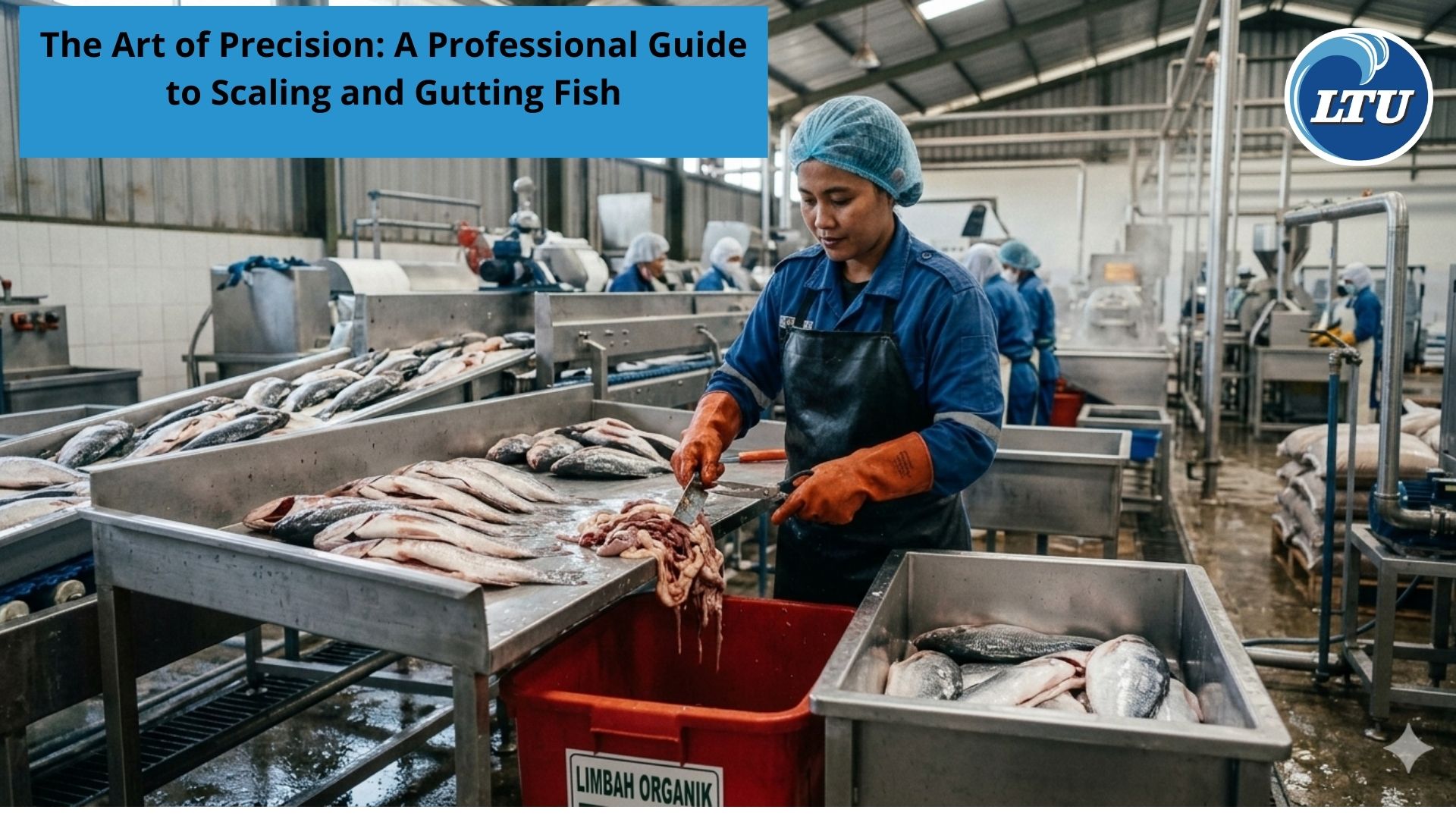
lauttimur.com For many home cooks and aspiring chefs, the prospect of handling a whole, raw fish can be intimidating. However, mastering the fundamental skills of scaling and gutting is the bridge between being a casual cook and a true culinary artisan. Processing your own fish ensures maximum freshness, reduces waste, and allows you to utilize every part of the animal—from the meat to the bones for stock.
In this guide, we will explore the professional techniques for removing scales and viscera (insides) efficiently, safely, and hygienically.
Phase 1: Preparation and Safety
Before the first scale is removed, your workspace must be organized. Handling fish involves sharp tools and slippery surfaces, making safety paramount.
- Tools of the Trade: You will need a dedicated fish scaler (or the back of a butter knife), a sharp fillet knife or kitchen shears, and a sturdy cutting board.
- The Grip Factor: Use a damp paper towel or a clean kitchen rag to hold the fish by the tail. This prevents the fish from sliding and protects your hand from sharp dorsal fins.
- Containment: Scaling can be messy. To prevent scales from flying across your kitchen, consider scaling the fish inside a large plastic bag or submerged in a basin of water.
Phase 2: The Scaling Process
Fish scales act as a protective armor. While edible in a few specific deep-fried preparations, they are generally tough, unpleasant, and must be removed entirely before cooking.
- Direction Matters: Always scale from the tail toward the head. This is against the "grain" of the scales, allowing your tool to catch the edge of the scale and lift it off.
- Short, Firm Strokes: Use short, raking motions. Start at the caudal fin (tail) and work your way up the belly, then the back, and finally the "shoulders" near the gills.
- The Trouble Spots: Pay close attention to the area around the fins and the underside of the jaw. These are the most commonly missed spots. Use the tip of your scaler for these tight corners.
- The Rinse: Once you believe the fish is smooth, run your fingers from tail to head. If you feel any rough patches, repeat the process. Rinse the fish under cold running water to wash away any loose debris.
Phase 3: Gutting (Evisceration)
Removing the internal organs is crucial for flavor. If left inside, the enzymes and bacteria in the digestive tract will quickly spoil the meat and impart a bitter taste.
Step 1: The Initial Incision
Insert the tip of your fillet knife or shears into the vent (the small opening near the tail on the underside). Carefully slit the belly open, moving forward toward the head.
Pro Tip: Keep the knife shallow. You want to cut the skin, not puncture the stomach or gall bladder, which can release fluids that taint the meat.
Step 2: Removing the Viscera
Once the belly is open, use your fingers to reach in and pull the innards out. Most of the organs will come out in one mass if you sever the connection at the base of the throat.
Step 3: Addressing the Gills
If you plan to cook the fish whole, you must remove the gills. Gills are bitter and house a lot of blood, which spoils quickly. Use kitchen shears to snip the gills at both ends where they attach to the head and pull them out.
Step 4: The Blood Line
Look along the spine inside the cavity. You will see a dark red line covered by a thin membrane. This is the kidney (often called the blood line). Use your thumbnail or a small spoon to scrape this out under cold running water. Removing this is the secret to a "clean" tasting fish.
Phase 4: Cleaning and Storage
After scaling and gutting, the fish must be cleaned thoroughly. Wash the internal cavity with cold water until the water runs clear. Pat the fish dry with paper towels—both inside and out. Moisture is the enemy of crispy skin and long-term storage.
If you aren't cooking the fish immediately:
- Wrap it tightly in plastic wrap or butcher paper.
- Store it in the coldest part of your refrigerator, ideally on a bed of ice.
- Aim to cook the fish within 24 to 48 hours of processing.
The Sustainability Angle
In the spirit of the circular economy discussed in our previous session, remember that "waste" is a matter of perspective.
- Fish Scales: Can be composted or used in gardens as a slow-release calcium and phosphorus fertilizer.
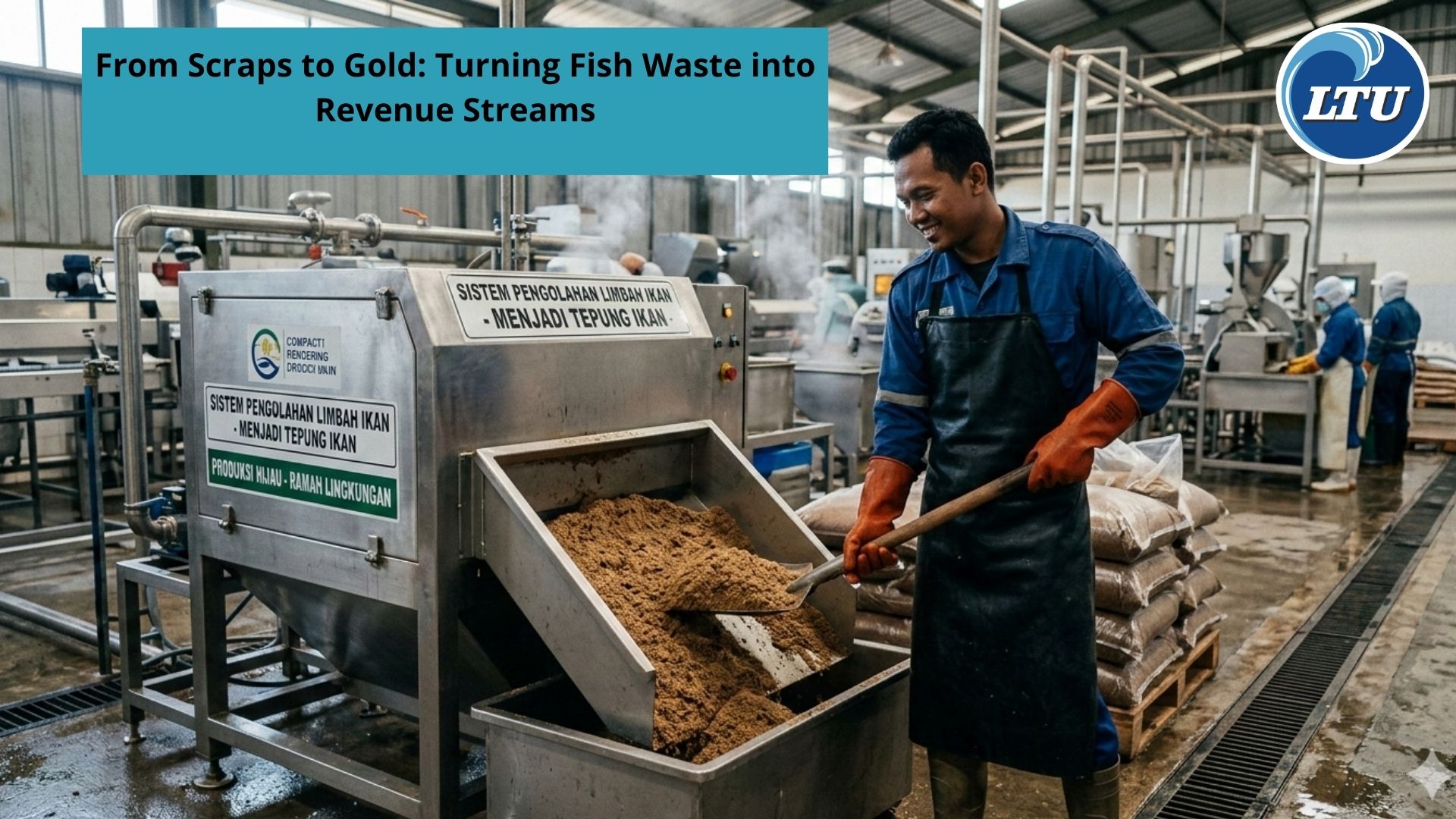
- Guts: While not for human consumption, they are excellent bait for crab traps or can be processed into organic liquid fertilizer.
- Heads and Bones: Save these! After scaling and gutting, the head and carcass are perfect for making a rich, gelatinous fish stock.
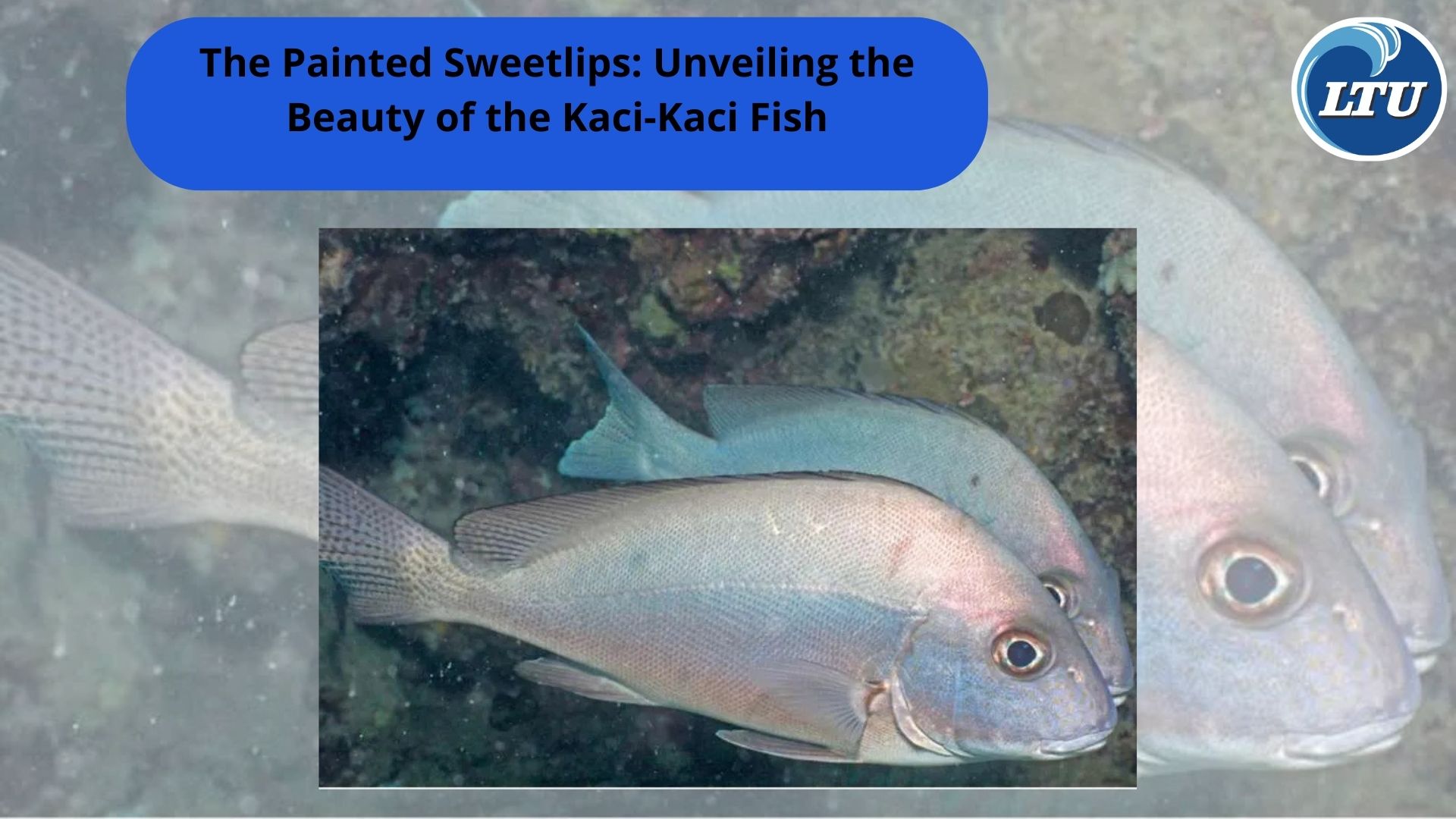
If youre interested in our Red / Scarlet Snapper Whole Round / Whole Gilled Gutted Scaled,Emperor Fillet Skinless,White Snapper Pearl Perch Whole Round / Whole Gilled Gutted Scaled please do not hesitate to contact us through email and/or Whatsapp



 Exports.jpg)
