The Titans of the Tides: Understanding the World of Tuna
By. Fajar - 09 Mar 2026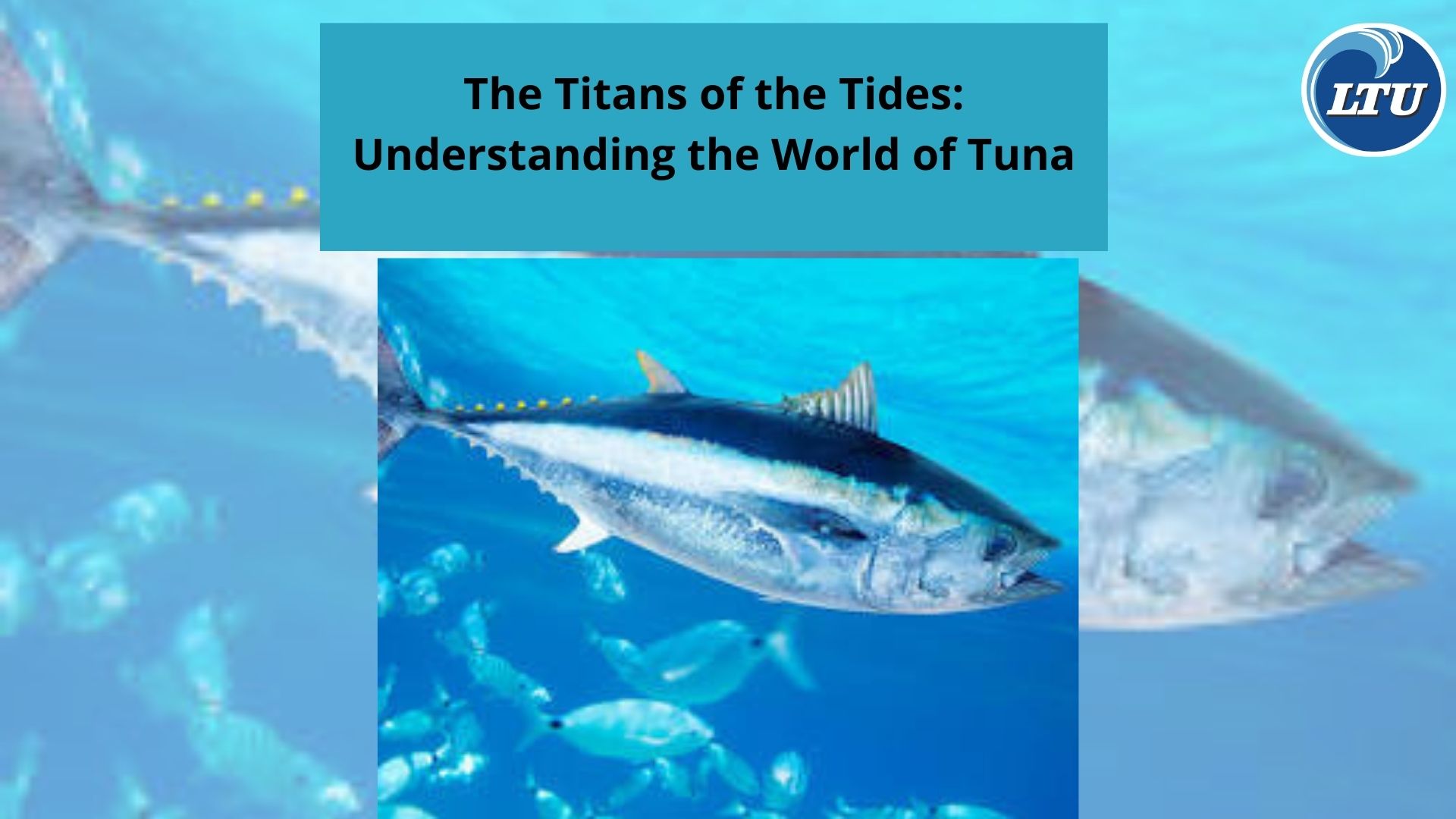
lauttimur.com Tuna are often called the "Ferraris of the ocean," and for good reason. These sleek, powerful predators represent some of the most fascinating biological engineering in the natural world. From the massive Bluefin to the ubiquitous Skipjack, tuna are not only vital components of marine ecosystems but also central pillars of global food security and international economies.
Biological Marvels: Built for Speed
What sets tuna apart from most other fish is their incredible physiology. Unlike the majority of fish which are cold-blooded, tuna possess a specialized vascular system called the rete mirabile. This allows them to maintain a body temperature higher than the surrounding water. This "warm-bloodedness" enables their muscles to contract more quickly, giving them the burst of speed needed to hunt agile prey like squid and mackerel.
Their bodies are sculpted for hydrodynamics. With a fusiform shape—tapered at both ends—and fins that can fold into slots to reduce drag, some species can reach speeds of over 75 km/h. Even their eyes are flush with their heads to ensure the smoothest possible movement through the water.
A Diverse Family
While many people think of "tuna" as a single type of fish, the family (Scombridae) is remarkably diverse:
- Bluefin Tuna: The undisputed kings. They can grow to over 3 meters in length and weigh more than 600 kg. They are highly prized in the sushi world, sometimes fetching millions of dollars at auction.
- Yellowfin Tuna: Distinguishable by their bright yellow fins, these are common in tropical waters and are a favorite for both commercial fishers and sport enthusiasts.
- Albacore: Known as the "chicken of the sea" due to its white flesh, it is the primary species used for premium canned tuna.
- Skipjack: The most abundant and smallest of the major commercial species. If you are eating a standard can of "light" tuna, it is likely Skipjack.
The Economic Engine
The tuna industry is a multi-billion dollar global enterprise. For many island nations in the Pacific and Indian Oceans, tuna is the backbone of the economy, providing jobs in fishing, processing, and exportation.
However, this economic value comes with a high price. Because tuna are migratory—often traveling thousands of miles across international borders—managing their populations is an incredibly complex geopolitical challenge. This has led to the creation of Regional Fisheries Management Organizations (RFMOs), which attempt to set quotas and ensure that nations don't overfish common stocks.
The Sustainability Crisis
Perhaps the most pressing topic regarding tuna today is sustainability. Due to high demand, several species—most notably the Atlantic and Southern Bluefin—have faced severe population declines over the last century.
Overfishing isn't the only concern; bycatch is equally devastating. Modern fishing methods, such as Longlining and Purse Seine nets (especially when used with Fish Aggregating Devices or FADs), often accidentally catch sharks, sea turtles, and dolphins.
A Note on Conservation: In recent years, there has been a significant push toward "Pole and Line" fishing. This traditional method catches tuna one by one, virtually eliminating bycatch and ensuring that younger fish are left to mature.
Tuna and Human Health
From a nutritional standpoint, tuna is a powerhouse. It is an excellent source of high-quality protein and is rich in Omega-3 fatty acids, which are essential for heart health and brain function. It also contains significant amounts of Vitamin D and Selenium.
However, consumers are often warned about mercury levels. Because tuna are apex predators at the top of the food chain, they accumulate mercury from the smaller fish they eat—a process known as biomagnification. Generally, the larger and longer-lived the species (like Bigeye or Bluefin), the higher the mercury content.
The Future of the Deep
As we look toward the future, the survival of tuna depends on a delicate balance between technology and restraint. Improved satellite tracking and AI are now being used to monitor fishing fleets in real-time to prevent illegal, unreported, and unregulated (IUU) fishing. Meanwhile, the rise of plant-based and lab-grown "tuna" alternatives offers a potential path to reducing the pressure on wild populations.
Tuna are more than just a commodity in a can or a slice of sashimi; they are the high-speed heartbeat of our oceans. Protecting them is not just about saving a species—it is about preserving the health of the entire marine ecosystem for generations to come.
Tuna are often called the "Ferraris of the ocean," and for good reason. These sleek, powerful predators represent some of the most fascinating biological engineering in the natural world. From the massive Bluefin to the ubiquitous Skipjack, tuna are not only vital components of marine ecosystems but also central pillars of global food security and international economies.
Biological Marvels: Built for Speed
What sets tuna apart from most other fish is their incredible physiology. Unlike the majority of fish which are cold-blooded, tuna possess a specialized vascular system called the rete mirabile. This allows them to maintain a body temperature higher than the surrounding water. This "warm-bloodedness" enables their muscles to contract more quickly, giving them the burst of speed needed to hunt agile prey like squid and mackerel.
Their bodies are sculpted for hydrodynamics. With a fusiform shape—tapered at both ends—and fins that can fold into slots to reduce drag, some species can reach speeds of over 75 km/h. Even their eyes are flush with their heads to ensure the smoothest possible movement through the water.
A Diverse Family
While many people think of "tuna" as a single type of fish, the family (Scombridae) is remarkably diverse:
- Bluefin Tuna: The undisputed kings. They can grow to over 3 meters in length and weigh more than 600 kg. They are highly prized in the sushi world, sometimes fetching millions of dollars at auction.
- Yellowfin Tuna: Distinguishable by their bright yellow fins, these are common in tropical waters and are a favorite for both commercial fishers and sport enthusiasts.
- Albacore: Known as the "chicken of the sea" due to its white flesh, it is the primary species used for premium canned tuna.
- Skipjack: The most abundant and smallest of the major commercial species. If you are eating a standard can of "light" tuna, it is likely Skipjack.
The Economic Engine
The tuna industry is a multi-billion dollar global enterprise. For many island nations in the Pacific and Indian Oceans, tuna is the backbone of the economy, providing jobs in fishing, processing, and exportation.
However, this economic value comes with a high price. Because tuna are migratory—often traveling thousands of miles across international borders—managing their populations is an incredibly complex geopolitical challenge. This has led to the creation of Regional Fisheries Management Organizations (RFMOs), which attempt to set quotas and ensure that nations don't overfish common stocks.
The Sustainability Crisis
Perhaps the most pressing topic regarding tuna today is sustainability. Due to high demand, several species—most notably the Atlantic and Southern Bluefin—have faced severe population declines over the last century.
Overfishing isn't the only concern; bycatch is equally devastating. Modern fishing methods, such as Longlining and Purse Seine nets (especially when used with Fish Aggregating Devices or FADs), often accidentally catch sharks, sea turtles, and dolphins.
A Note on Conservation: In recent years, there has been a significant push toward "Pole and Line" fishing. This traditional method catches tuna one by one, virtually eliminating bycatch and ensuring that younger fish are left to mature.
From a nutritional standpoint, tuna is a powerhouse. It is an excellent source of high-quality protein and is rich in Omega-3 fatty acids, which are essential for heart health and brain function. It also contains significant amounts of Vitamin D and Selenium.
However, consumers are often warned about mercury levels. Because tuna are apex predators at the top of the food chain, they accumulate mercury from the smaller fish they eat—a process known as biomagnification. Generally, the larger and longer-lived the species (like Bigeye or Bluefin), the higher the mercury content.
The Future of the Deep
As we look toward the future, the survival of tuna depends on a delicate balance between technology and restraint. Improved satellite tracking and AI are now being used to monitor fishing fleets in real-time to prevent illegal, unreported, and unregulated (IUU) fishing. Meanwhile, the rise of plant-based and lab-grown "tuna" alternatives offers a potential path to reducing the pressure on wild populations.
Tuna are more than just a commodity in a can or a slice of sashimi; they are the high-speed heartbeat of our oceans. Protecting them is not just about saving a species—it is about preserving the health of the entire marine ecosystem for generations to come.
If youre interested in our Red / Scarlet Snapper Whole Round / Whole Gilled Gutted Scaled,Emperor Fillet Skinless,White Snapper Pearl Perch Whole Round / Whole Gilled Gutted Scaled please do not hesitate to contact us through email and/or Whatsapp