Beyond the Blade: The Strategic Importance of HACCP in Modern Fish Processing
By. Fajar - 11 Mar 2026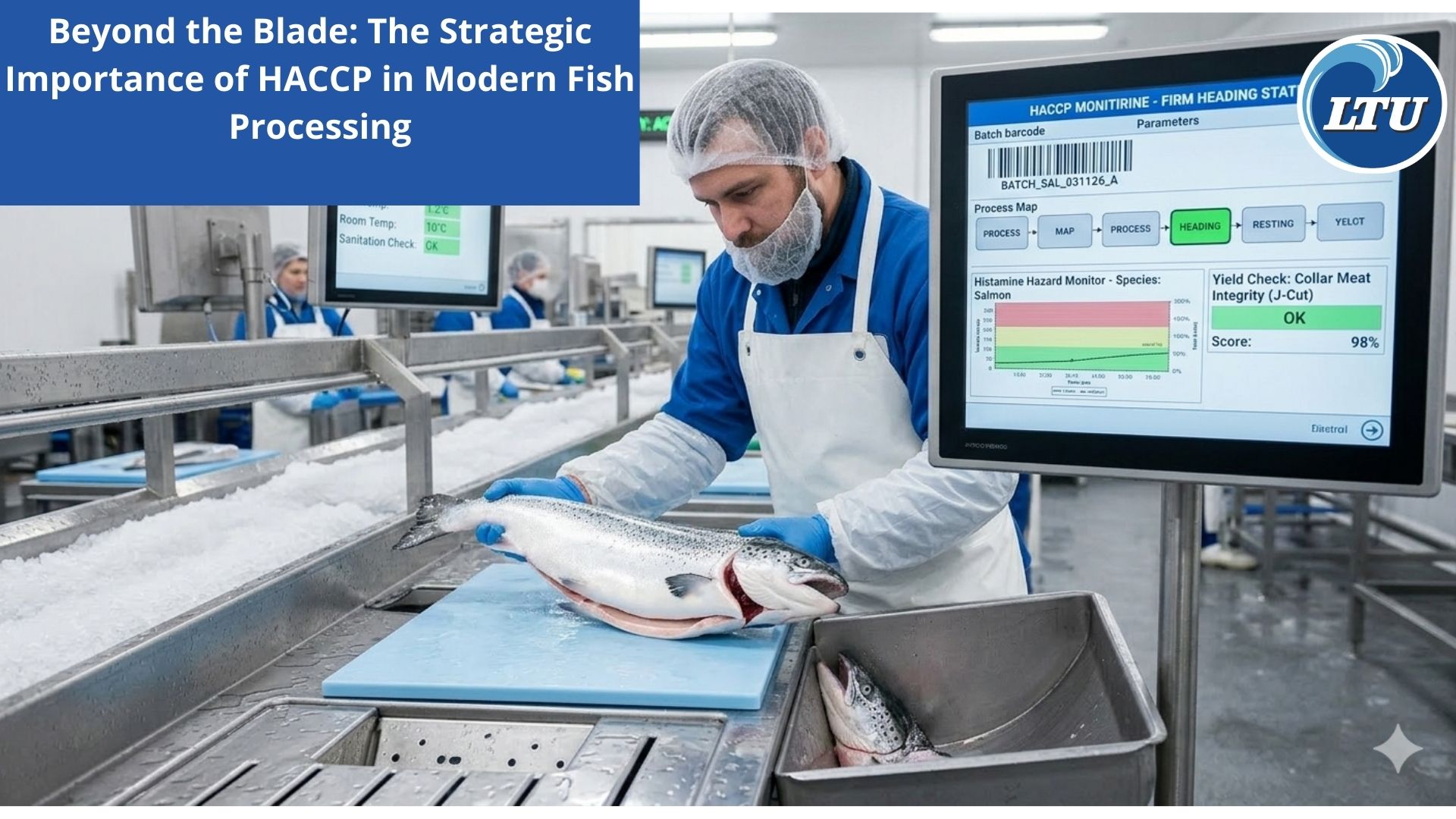
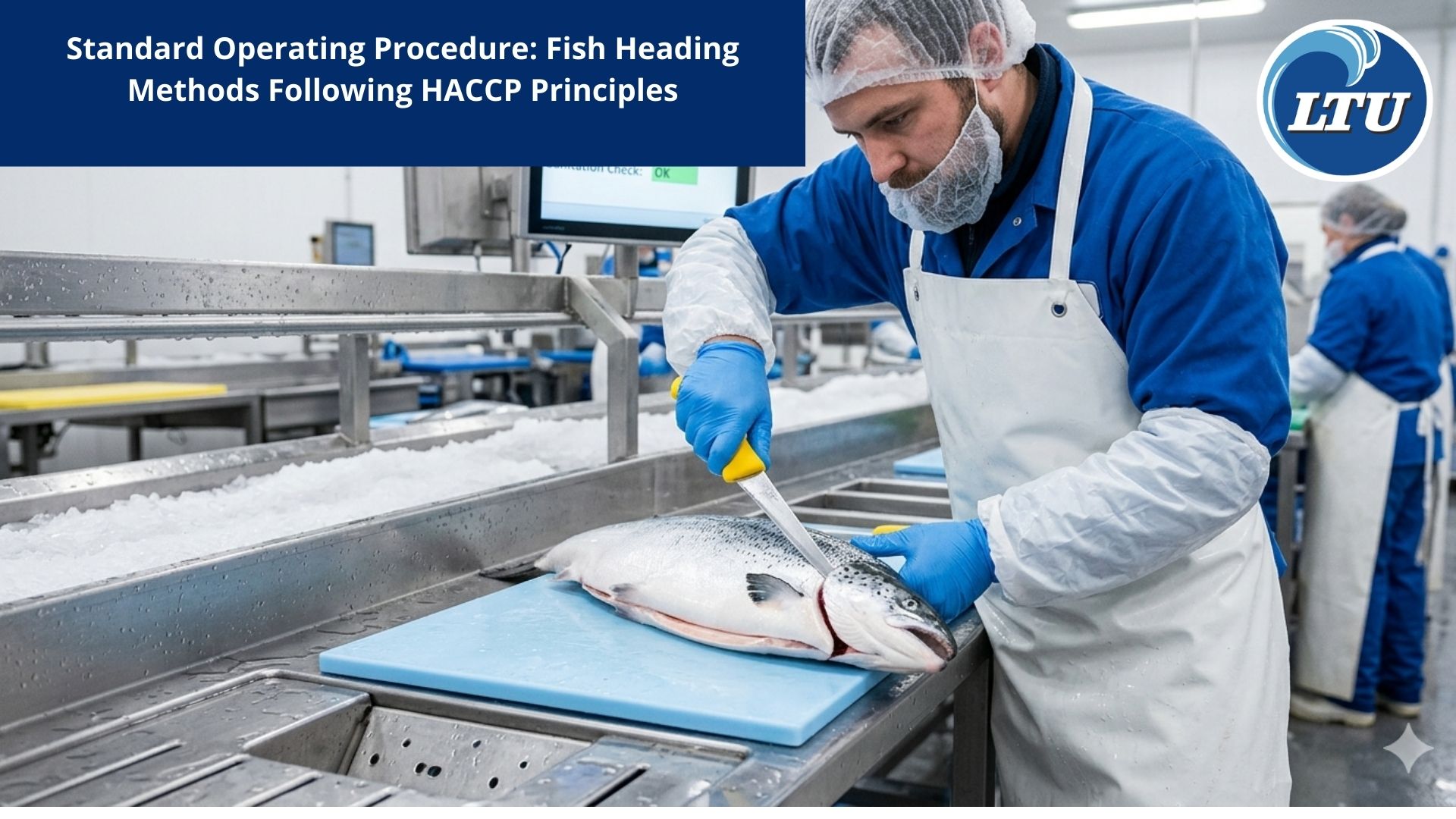
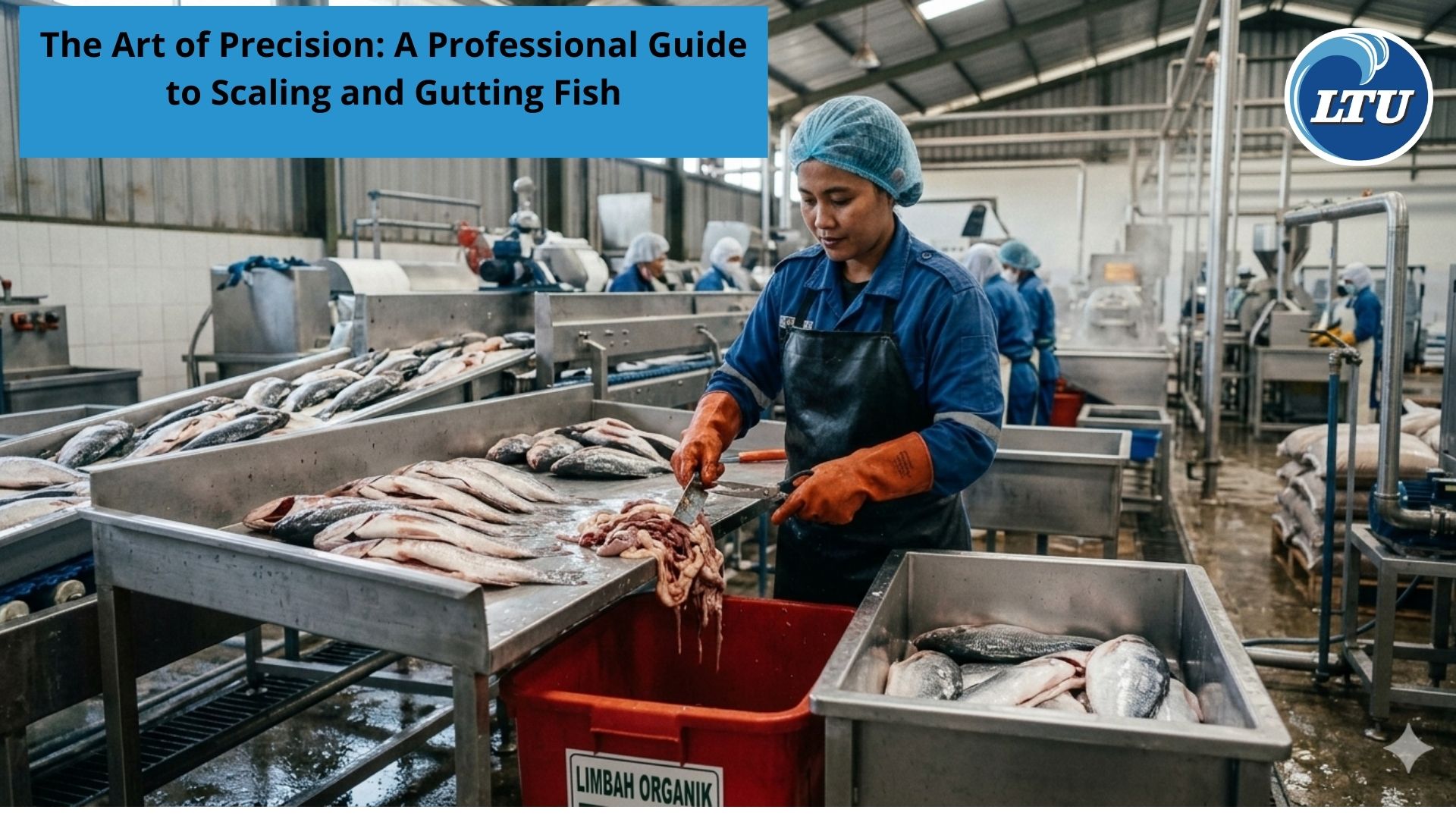
lauttimur.com In the high-stakes world of international seafood trade, a single shipment of contaminated fish can ruin a company’s reputation and lead to millions of dollars in losses. This is why the Hazard Analysis and Critical Control Points (HACCP) system has evolved from a voluntary guideline into a mandatory global language. While the physical act of processing—heading, gutting, and filleting—requires manual dexterity, the "safety net" that makes the product export-ready is purely scientific.
The Philosophy of Prevention
The traditional method of food safety was "snapshot testing"—taking a sample of the finished product and checking for bacteria. The flaw was obvious: if the sample was bad, the whole batch was already packed and often shipped.
HACCP flipped the script. It focuses on prevention rather than finished-product inspection. By identifying exactly where things can go wrong—at the heading station, the wash tank, or the freezer—processors can stop a hazard before it even starts.
Critical Control Point 1: Time and Temperature Integration
In the context of fish heading, the most dangerous "silent" hazard is the growth of pathogenic bacteria and the formation of toxins. For scombroid species (like tuna, mackerel, and mahi-mahi), the heading process is a race against the clock.
If a fish is left on a processing table at room temperature for too long, the amino acid histidine begins to break down into histamine. Once histamine is formed, no amount of freezing or cooking can remove it. This is why HACCP logs at the heading station don't just record the temperature of the room; they record the internal temperature of the fish at specific intervals. In a world-class facility, "dwell time" (the time a fish spends out of the ice) is measured in minutes, not hours.
Critical Control Point 2: The Sanitization Cycle
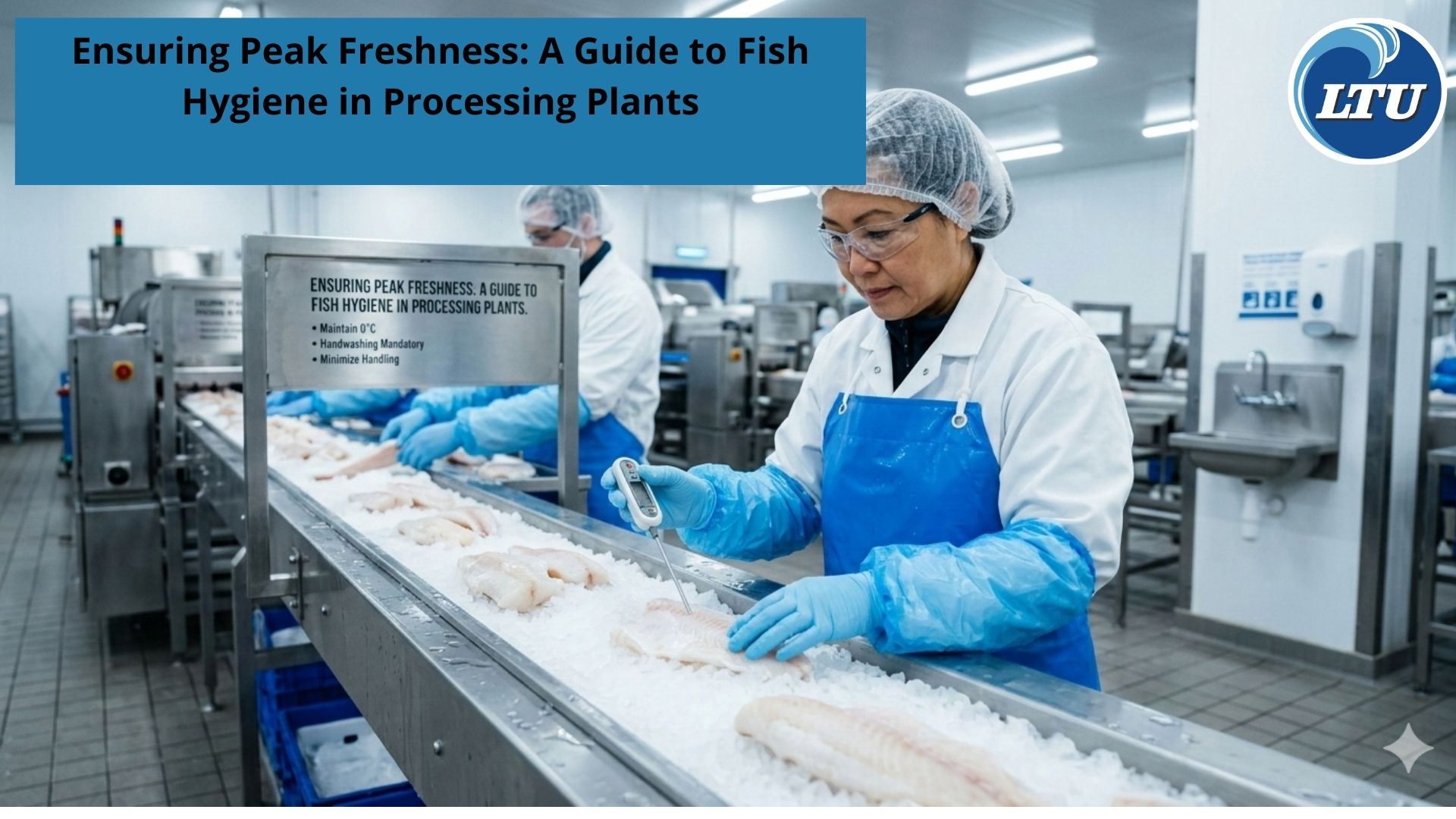
The heading station is a "high-touch" area. Knives, gloves, and cutting boards are in constant contact with the raw product. Under HACCP, sanitization is not just "cleaning when things look dirty." It is a scheduled, documented ritual.
- Biofilm Prevention: Bacteria like Listeria are notorious for creating "biofilms"—microscopic protective layers that shield them from standard cleaning. HACCP protocols require rotating different types of sanitizers (alkaline and acidic) to ensure these biofilms cannot take hold on stainless steel surfaces or HDPE boards.
- The "Clean-In-Place" (CIP) Revolution: In automated heading, the machines are designed with self-cleaning nozzles that spray chlorinated water onto the blades after every single cut. This prevents "cross-contamination," where one sick fish could potentially contaminate the next thousand passing through the line.
The Economic Impact: Reducing "Drip Loss" and Waste
Beyond safety, following HACCP heading methods has a direct impact on the bottom line: Yield Optimization. When a processor uses the "Round Cut" (or J-Cut) as prescribed in high-standard SOPs, they are preserving the collar meat—the fattiest and often most flavorful part of the fish. Improper heading leads to "ragged edges." In the secondary processing stage (filleting), these ragged edges must be trimmed away. This is known as "drip loss" or "trim waste."
A facility that strictly monitors its heading precision can see a yield increase of 2% to 5%. In an industry where margins are razor-thin, that 5% represents the difference between a profitable year and a loss.
Transparency and Traceability: The Digital Paper Trail
The "paperwork" of HACCP is often what processors find most daunting, but it is also their greatest protection. If a consumer in another country falls ill, a HACCP-compliant processor can look at a barcode on the packaging and trace that specific fish back to:
- The vessel that caught it.
- The exact hour it was headed and gutted.
- The sanitation log of the knife-hand who processed it.
- The temperature of the cargo hold during transit.
This level of traceability is now a requirement for the EU and US markets (FDA). Without it, the fish simply cannot be sold.
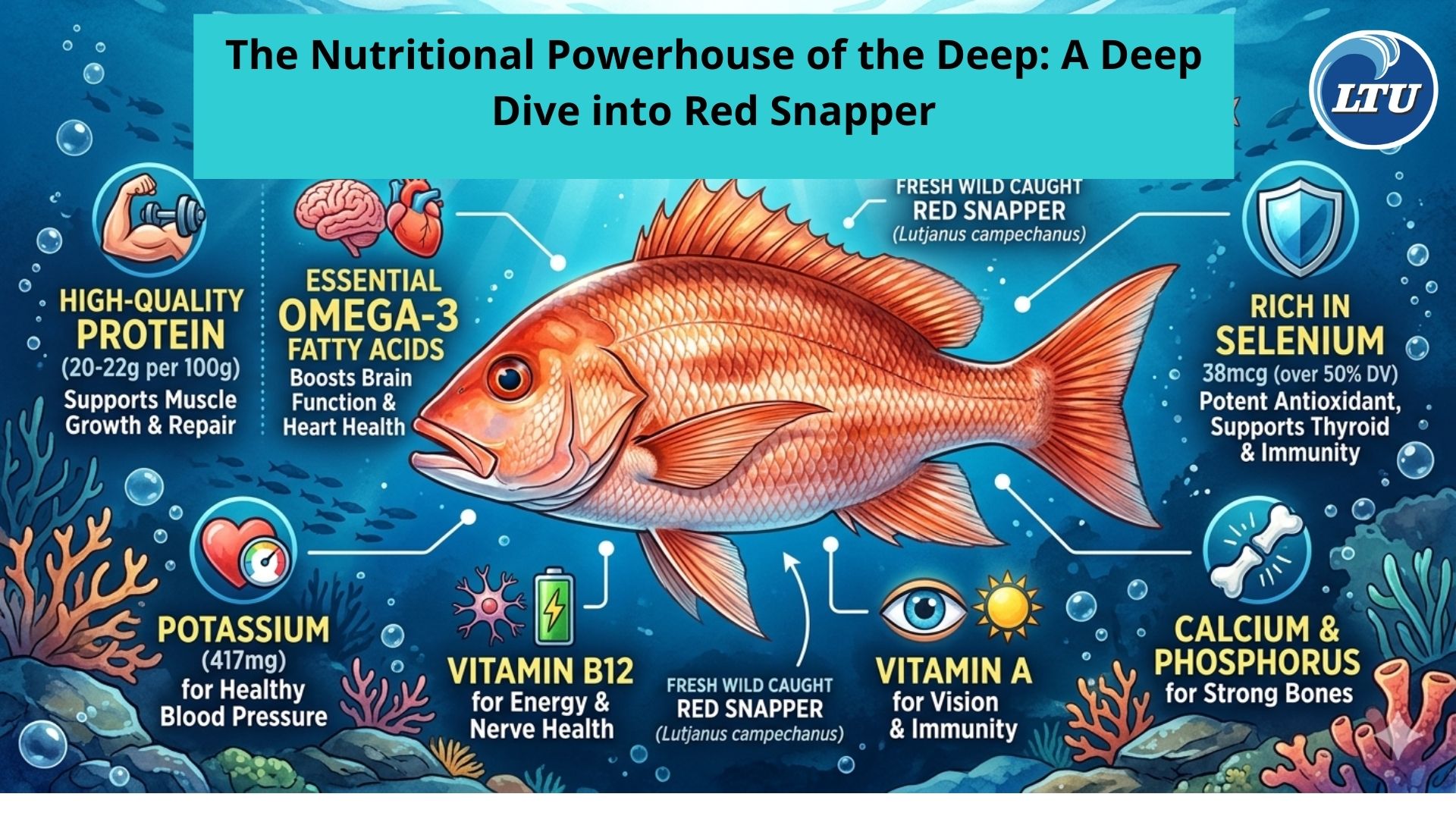
If youre interested in our Red / Scarlet Snapper Whole Round / Whole Gilled Gutted Scaled,Emperor Fillet Skinless,White Snapper Pearl Perch Whole Round / Whole Gilled Gutted Scaled please do not hesitate to contact us through email and/or Whatsapp